
Aug 18, 2026 · By Eliam Marrero Bernal
He posted a 0.00 ERA in the first World Baseball Classic. Today he delivers packages in Miami
Yadel Martí was the best pitcher of the 2006 World Baseball Classic. A year and a half later Cuba dropped him over two runs against the U.S. His only regret: leaving too late.
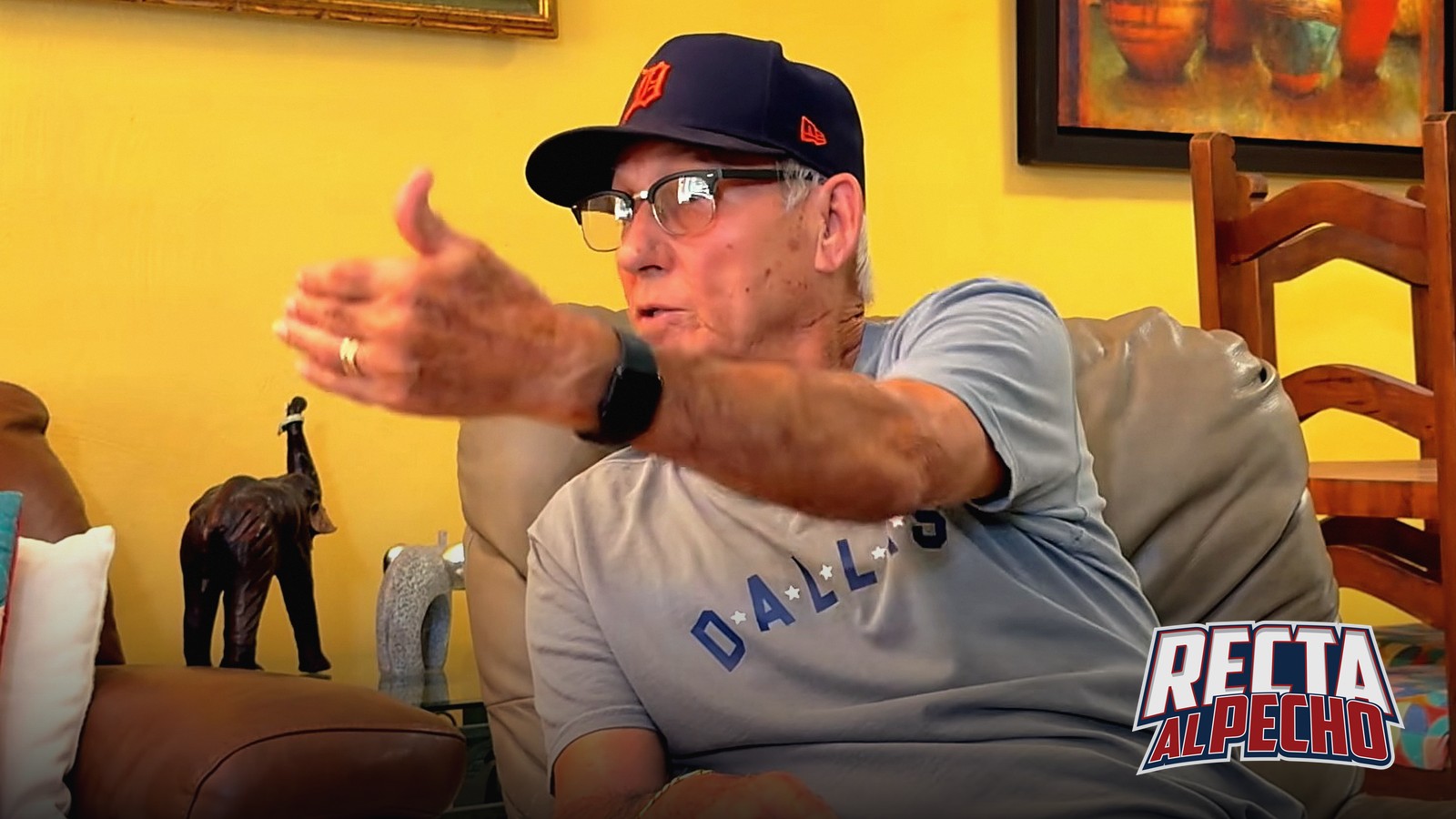
Yadel Martí was dropped from Cerro Pelado — the elite national training center — for allowing two runs against the United States. A year and a half earlier he had been the best pitcher of the first World Baseball Classic. He sat down with me almost twenty years later and told me the only thing he regrets is leaving too late.
I brought him some trading cards. The cardboard kind that came out after the first World Baseball Classic, with his photo on the front and his numbers on the back.
He looked through them one by one. I have this one. This one too. One in purple. This is the inaugural one.
And then he stopped on one.
“Look, I’d never seen this one.”
A man in his forties, in Miami, discovering a piece of cardboard that documents the best thing he ever did. In English, so people outside can read it. Because inside Cuba they stopped mentioning him a long time ago.
What the cardboard says
It’s worth reading what was on the back of that card, because it is a cold summary of a fact that has been slowly erased in Cuba:
In the 2006 World Baseball Classic, Yadel Martí pitched 12.2 innings, struck out 11 and did not allow a single run. ERA: 0.00.
He started the elimination game against Venezuela. He started the game against the Dominican Republic that sent Cuba to the gold-medal game. And Cuba reached the final of the first Classic ever, against all odds.
“Nobody was counting on us. So that second place in the first Classic is what makes it, for me — with all respect to the world championships — the biggest event in Cuban sports. No argument.”
And there’s a detail he mentions without any vanity, almost in passing, that strikes me as the key to his whole story:
“Who was going to look at Yadel Martí over there if I was Team Cuba’s No. 12 pitcher? I almost went as a guest.”
He left Cuba as No. 12. He came back as the best right-handed pitcher in the tournament.
The MVP that wasn’t
Cuba lost the final to Japan and the Most Valuable Player award went to Daisuke Matsuzaka.
“From what I heard, if we had won, I would have been the MVP of the Classic.”
He was left with the trophy as the pitcher on the All-Tournament Team. That trophy, by the way, isn’t with him: it’s in Cuba, at the home of his godfather Camilo.
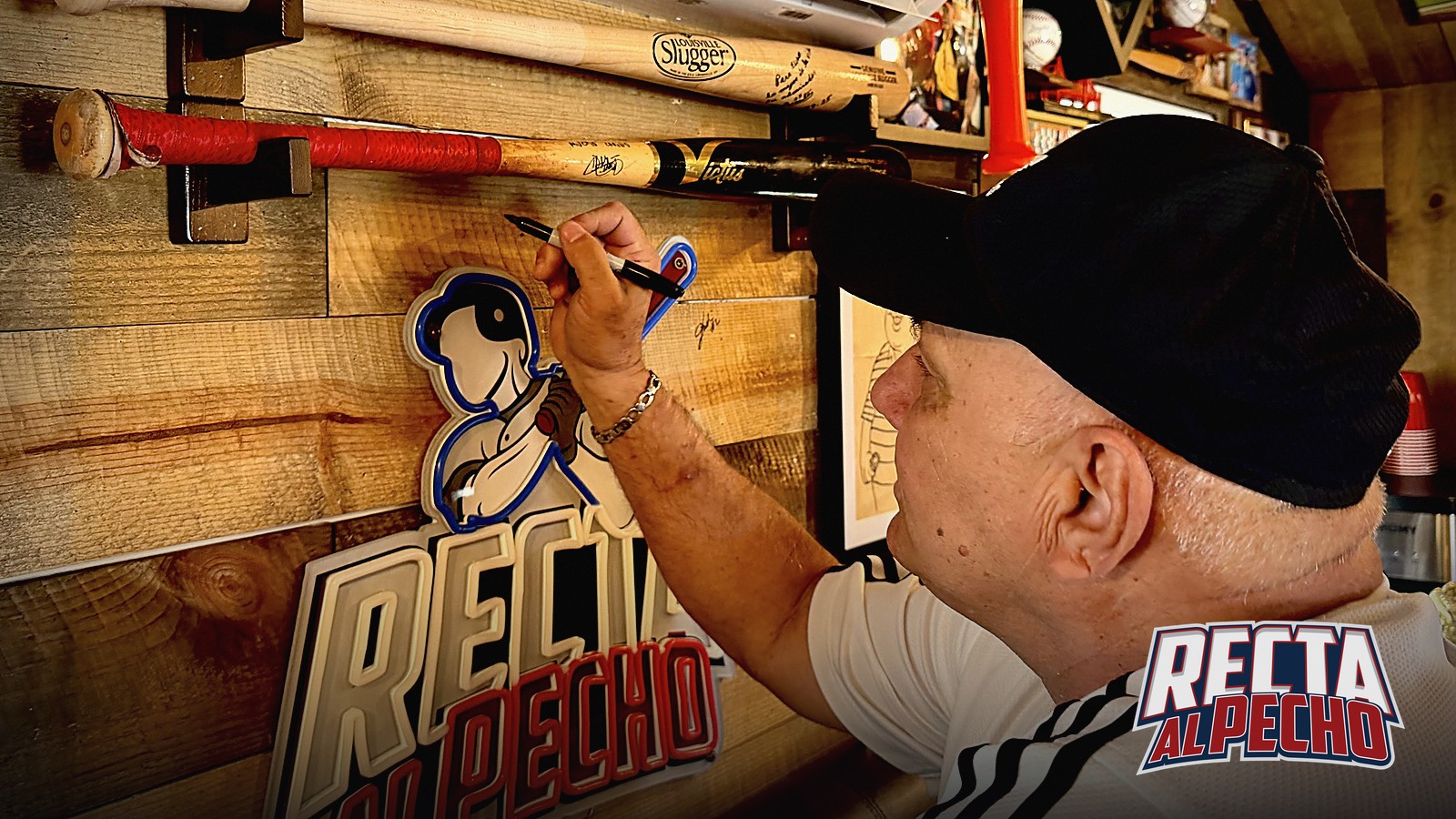
And in Cooperstown there is a Team Cuba jersey signed by all of them, which they put together in San Diego during the tournament.
Why he didn’t stay in 2006
It’s the obligatory question, and the answer dismantles every theory:
“I figured that when I got back to Cuba, everything was going to be fine.”
He was twenty-six. Nobody had recruited him. And he does the math himself with brutal clarity:
“You have to understand that the one who stays is the one they’re going to give money to. If I’m No. 12, what are they going to give me? I never thought about it. Never.”
The option of staying didn’t exist when he left Havana. It appeared later, as a result of what he did on the field. And by then he was already on his way back, excited to arrive in Cuba as the best pitcher of the World Baseball Classic.
“It was the arriving. It was knowing how it was going to feel.”
Watch the full interview with Yadel Martí.
Two runs
A year and a half later, the 2007 Baseball World Cup in Taipei.
Yadel came within a step of a perfect game. On the strength of that outing they gave him an extra day of rest so he could start the gold-medal game against the United States.
He allowed two runs in four innings. Cuba lost.
“We know that in Cuba two runs is a normal thing. They let you keep pitching.”
When he got back to the island, he found out he had been dropped from Cerro Pelado.
“Being the pitcher who started the gold-medal game at a World Cup. That’s when I said: I don’t understand.”
He went to complain. The official’s answer was this:
“This is something that was already being looked at, and it’s not my doing. We met and decided this.”
A vote. No names, no minutes, no one responsible. The same old architecture: a decision nobody signs.
What Cerro Pelado meant
Here is something that is hard to understand outside Cuba, so it’s worth explaining slowly.
Cerro Pelado wasn’t an honor. It was the material foundation of an athlete’s life.
“A lot of things come from belonging to Cerro Pelado. That’s where the donations arrive, where things come in for us.”
Taking him out of there wasn’t a demotion in sporting terms. It was cutting off his access to shoes, to gloves, to whatever came in from abroad. To a way of living.
That’s when he decided to leave. He made plans with his lifelong friend, Yasiel Puig.
They were caught. The first attempt was by boat and they didn’t make it. They got out on the second.
Who bought his gloves
I asked him the question I ask everyone, because on social media there are still people who repeat that these players are what they are thanks to the Revolution.
When you were training, who gave you the resources?
“No, it was my family.”
And then he explained how it really worked:
“You get to the Serie Nacional and they give you a glove, and that glove lasted you two days.”
The rest you got by trading. Venezuela would show up with Puma gear and good gloves, and they wanted Team Cuba jerseys. You swapped.
And there are two jersey stories that have to be told in full, because they portray a system better than any essay.
The first: in the Netherlands, a guy offered him 500 euros for his Team Cuba jersey. He sold it. Afterward he had to beg them to give him another one, and that’s why that year he wore No. 95 instead of the No. 90 he always wore.
“Can you imagine me going back home without that 500? I’d never forgive myself.”
The second: at the World Cup in China he traded a blue practice jersey — with his name and number put on it by himself at the sporting-goods factory — for two catcher’s mitts. One for his godfather Camilo. The other one he had promised to a kid.
The best pitcher of the first World Baseball Classic selling his uniform so he could keep a promise.
“It came in the vaccine”
There is an honesty in Yadel Martí that I haven’t found in everyone. I asked him about the speeches, about what you had to repeat after winning, and he didn’t hide behind anything.
“I was indoctrinated like everybody else. Who was I?”
And then the line that sums up an entire upbringing:
“It came in the tetanus shot, or in the little candy they gave you with the vaccine. That DNA came from your days as a Young Pioneer.”
He doesn’t retroactively put himself on the right side. He says what he said and explains why he said it. On this subject, that is worth more than a hundred denunciations.
Eighteen years and a package truck
Yadel Martí has been in the United States for eighteen years. Today he delivers packages.
And he told me something that says more about him than any statistic: since he stopped playing, nobody has seen him on a ballfield. Not even for fun.
“If I go play and they put me at third, if they hit it that way I’m going to dive. And then how do I get in the truck to deliver my packages?”
It isn’t that he doesn’t like it. It’s that he likes it too much, and he can’t afford an injury.
“The only things I know how to do are play baseball, drive and throw packages.”
The only regret
I asked him if he regrets coming.
“I regret coming late.”
And he explained why, and here his voice cracked a little:
“I wasn’t able to see what other people saw. And the way they pushed me aside hurt. One man shouldn’t have been able to end my career.”
One man. A vote with no names. Two runs against the United States.
It is the same mechanism we documented with Eduardo Paret, who lost four years over a phone call nobody proved, and with Rey Vicente Anglada, who was jailed without a single piece of evidence. Three generations. The same hand.
The first pitch
Someone recently posted a simple idea on social media: if the World Baseball Classic is played in Miami, why not invite Yadel Martí to throw out the first pitch?
He hadn’t thought about it. When I mentioned it, he was quiet for a moment.
“I don’t need them to mention me, because the numbers are there.”
And then, more softly:
“Maybe it can’t fill your stomach, but filling your soul is sometimes more important.”
Nobody has called him. Probably nobody will.
But there is a fact that no federation, no vote and no official can touch, and it is printed on cardboard, in English, in the home of a Miami delivery driver:
12.2 innings. 11 strikeouts. 0.00.
“What’s written can’t be erased.”
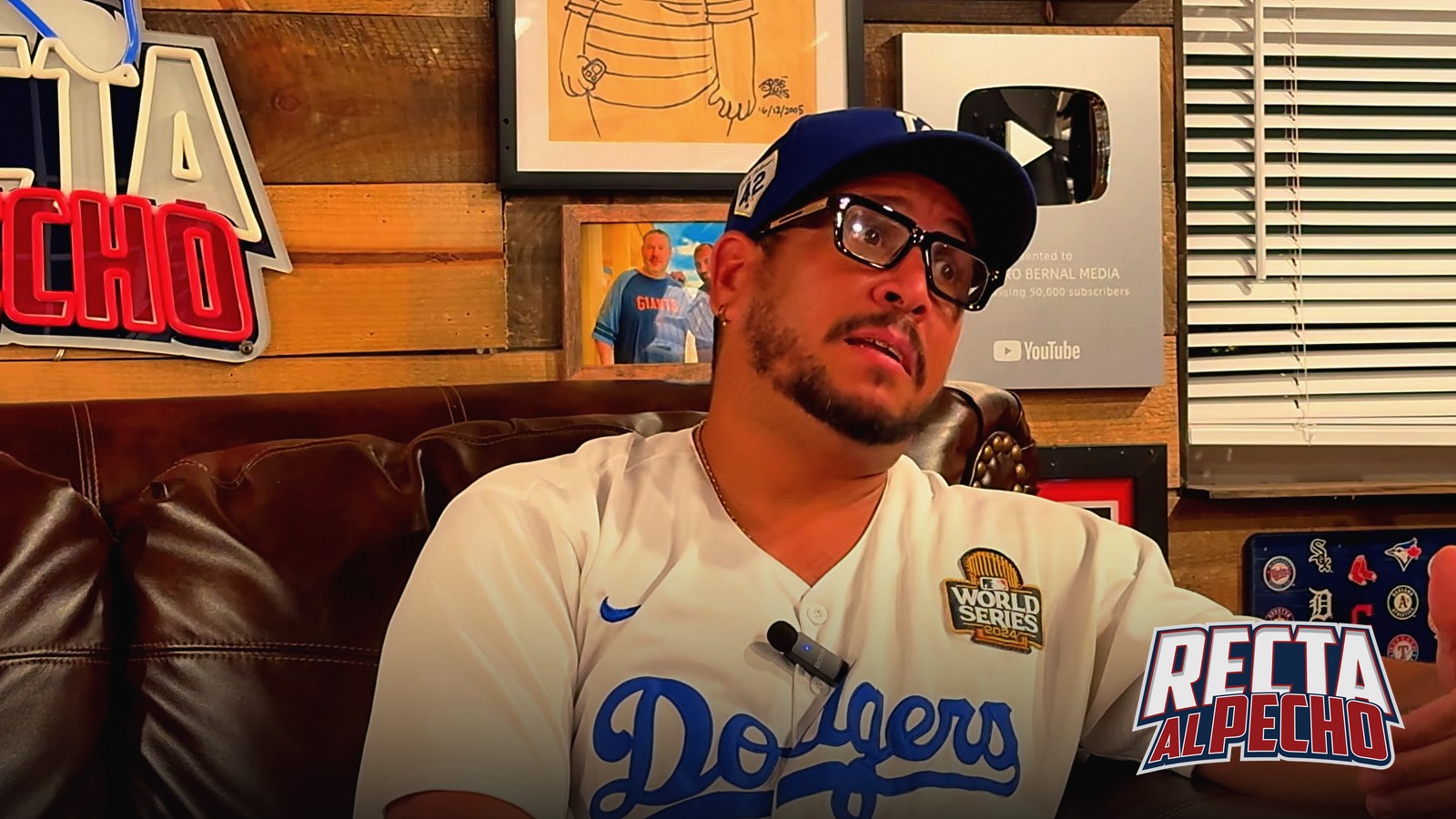
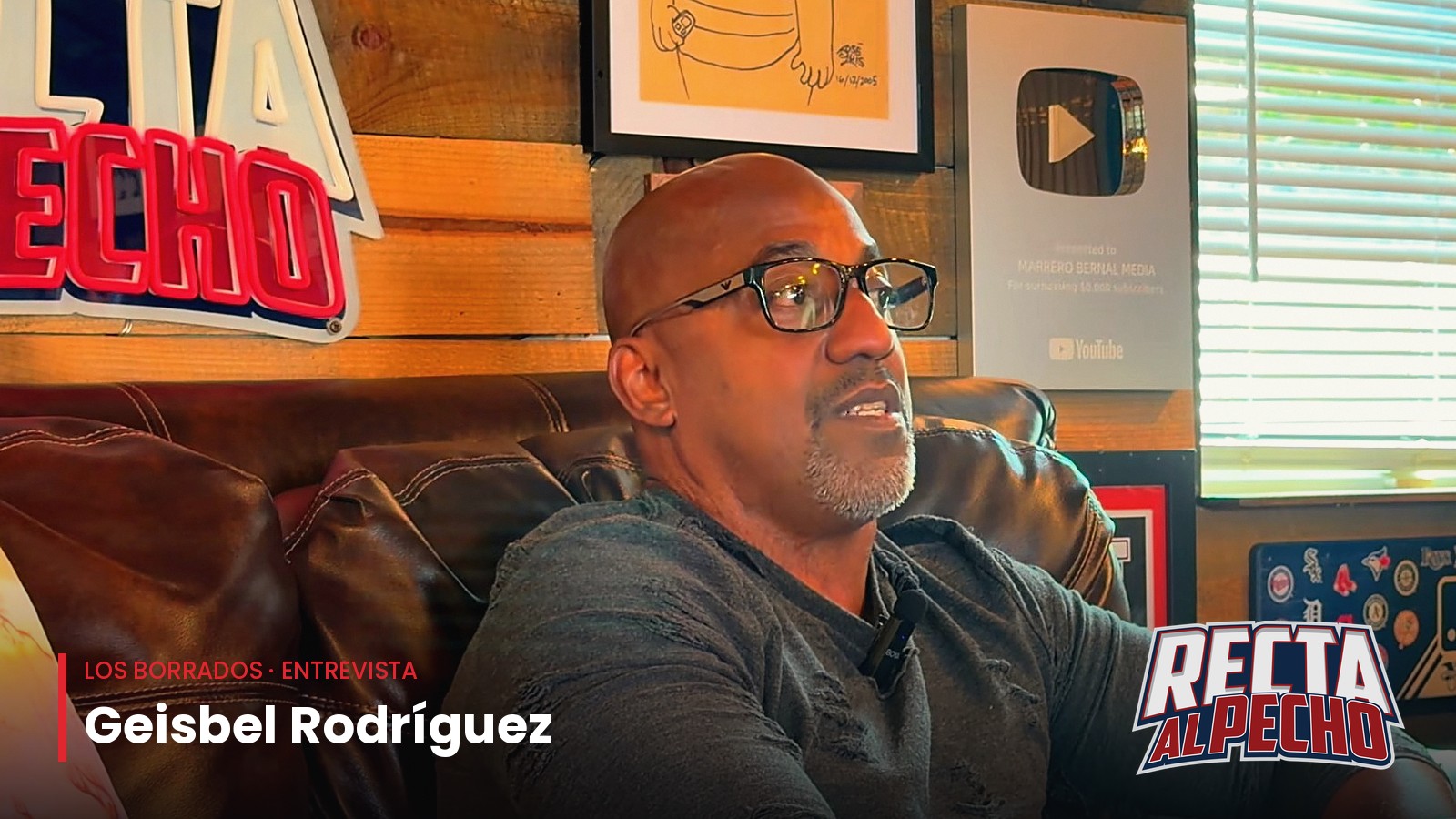
Interview conducted by Eliam Marrero Bernal for Recta Al Pecho. Yadel Martí’s statements are taken verbatim from the recorded conversation, available in full on our YouTube channel.
Originally published in Spanish on Recta Al Pecho.