
Oct 31, 2026 · By Eliam Marrero Bernal
Piro Barreiro: 44 scoreless innings for Cuba and a peso a day
Unbeaten and never scored on in international play for Team Cuba, Piro Barreiro was paid one peso a day in the National Series and retired at 25 with a ruined arm.
Five wins, no losses, 44 innings, 51 strikeouts, zero runs. That is Piro Barreiro's complete international record with Team Cuba, by his own count. A pitcher no opponent ever scored on while he wore the national jersey ought to have his name on a wall somewhere. He doesn't. He lasted two years on the team, his arm gave out, and the system turned the page.
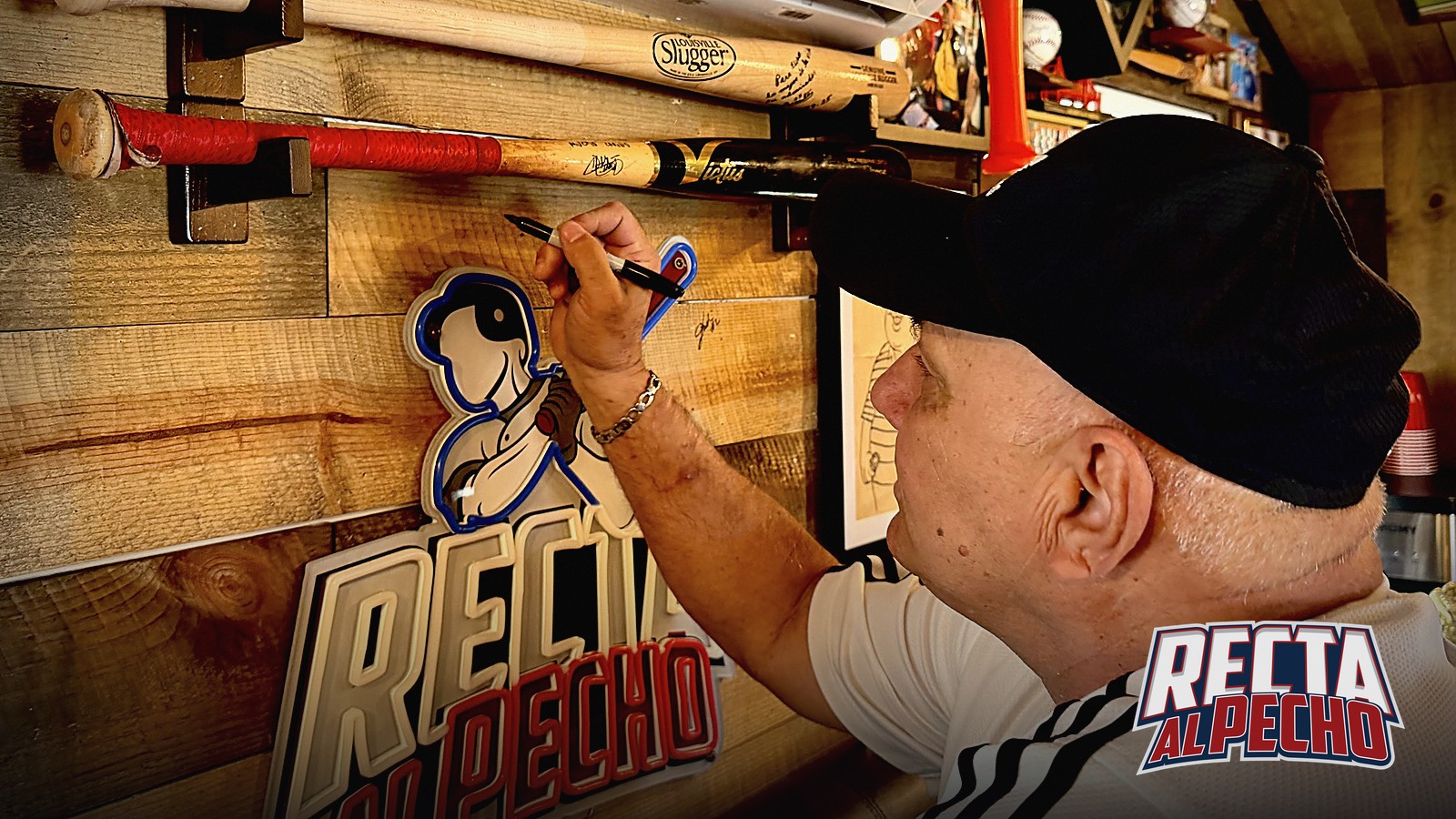
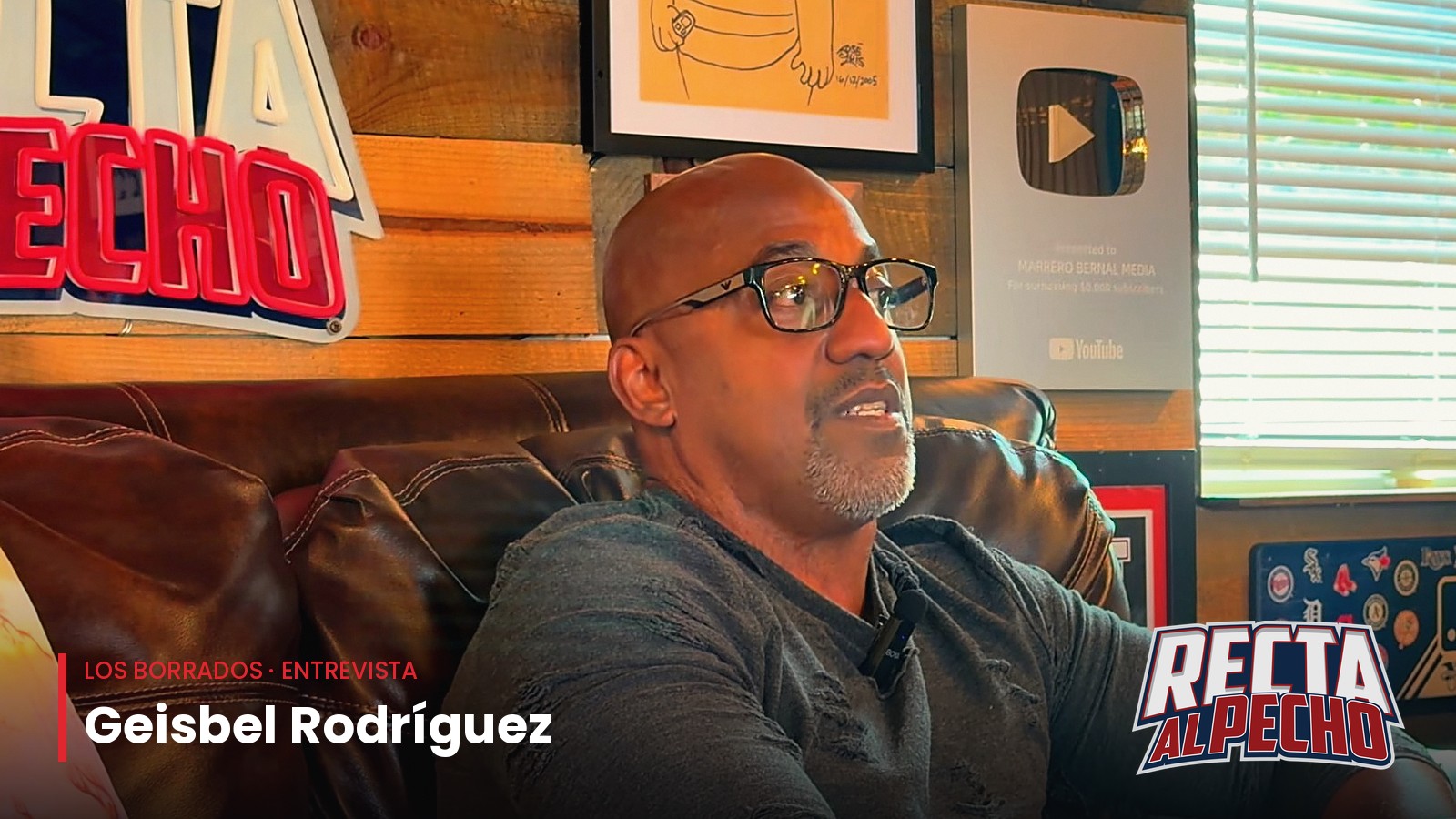
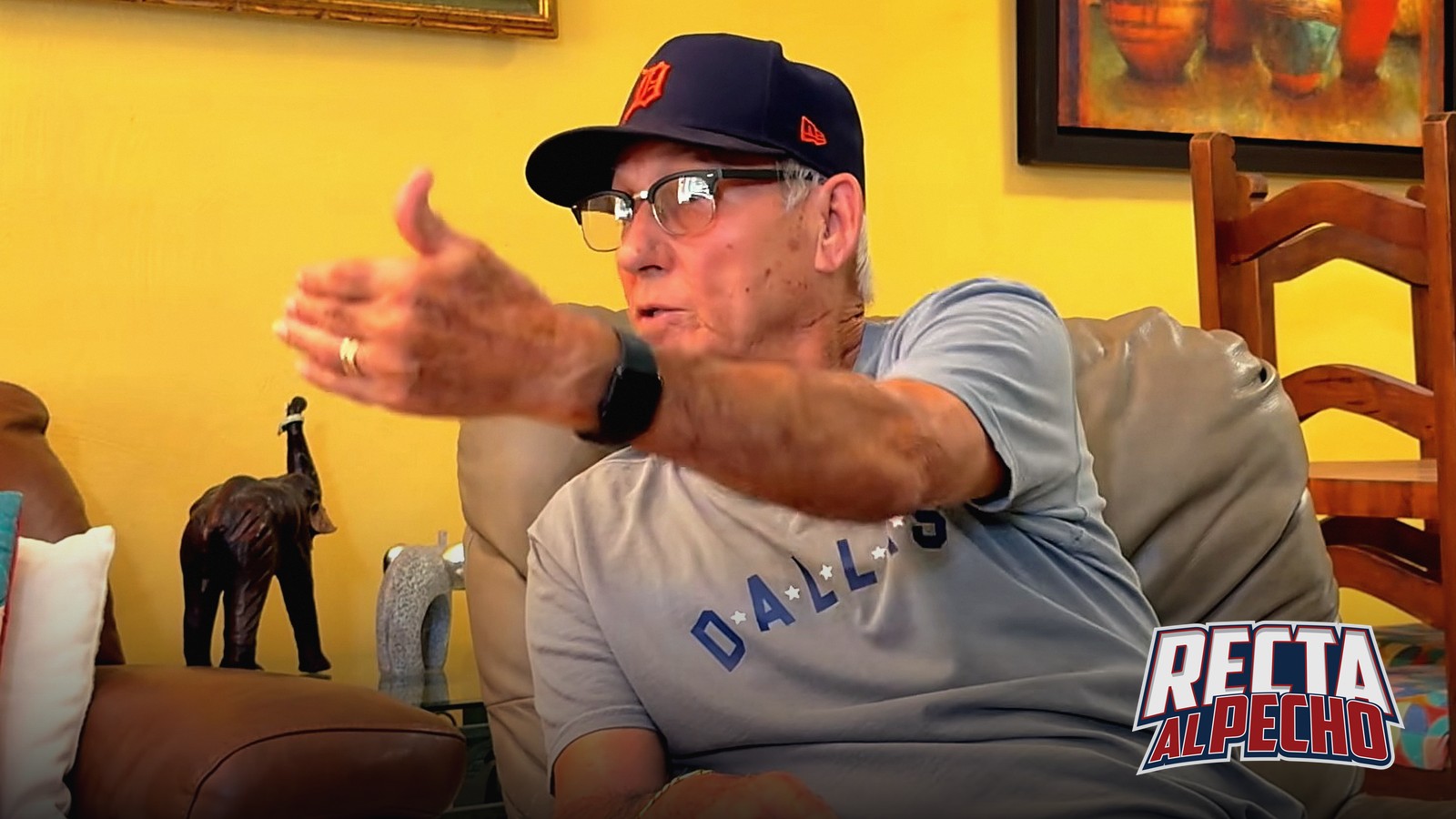
He told his story in Miami, at his home, sitting across from Eliam Marrero Bernal, with a photo album close at hand. He talks about baseball with relish; about what baseball paid him, with a single number.
The streets of Poey
He was born on March 17, 1949, and grew up between Poey and Parra, in southern Havana, moving house every so often along the streets that lead to the Ciro Frías. The nickname goes back to the cradle: they say he looked like “one of those little pyrite lights,” and since he was a boy he was “pirito” until, at eight or nine, it settled into Piro. “Almost nobody called me Luis.”
He watched the Ciro Frías being built from the foundations up, when the land was “nothing but a weed lot,” and from that neighborhood he remembers Raúl Reyes; Rudy Reyes, whose backyard backed onto his; Orlando and Osvaldo Fernández; and Changa. But the memory that made him a ballplayer was a different one: the first time he walked up the ramp at the stadium in El Cerro and saw Panchón Herrera at first base for Habana against Almendares. “I said: well, someday I've got to be something.” That professional baseball, the kind the official narrative erased, is the one he points to as the best ever played in Cuba.
A 110-peso military service
He started playing organized ball in 1966, with the Industriales junior team that won the series in Las Villas, and the following year with a Havana junior team that steamrolled its way to the title in Santiago de Cuba. He made two Cuban junior national teams. With the second one he was supposed to travel to Canada; the trip fell through and the Canadians came to play at the Latino, Havana's Estadio Latinoamericano.
At 16 or 17 he was due for military service. A scout for the Minint, the Interior Ministry, named Luis Conforti came to his house through Changa or Marquetti and left him an address: when he got called up, he should let them know. That is how he spent two years, instead of the three in the FAR, the armed forces, on the Minint's first team, the one with the stars: Changa, Marquetti, Cordobí and Despaigne.
“At least they paid me 110 pesos. You didn't have to put on any uniform, just go to practice and play ball with the team and then you went home.”
There was a house on Luz Caballero where you could have lunch and breakfast, and sleep if you wanted. “It was practically a sports thing,” he says; neither he nor several of his teammates ever saw a military unit, and he never once saw Changa in olive green. That was Cuban amateurism in the 1960s: a salary, a house and full-time training under another name.
From utility man to Habana's closer
In 1968 he joined Coco Gómez's champion Habana club as a utility infielder, on a team with Tony González at shortstop and Germán Águila at third. There was nowhere to put him. They sent him to the outfield when Arturo Linares got hurt, they saw his arm, they knew he had pitched in the juniors, and they asked him if he could pitch in relief. He said yes.
“Pitching is practically the key figure on a team. I wanted people to see everything I could do.”
His first National Series, Cuba's top domestic league, ended with one win, one loss and 32 innings. In 1969 he was in Habana's bullpen the night Changa struck out 20 Camagüey hitters, and that team won the series. From Changa he still has a walk he drew off him as a pinch hitter, with the lefty “throwing like crazy,” and a line: “Everybody has to speak well of him.”
He also carries, with good humor, a dubious distinction: Modesto Gil, a Camagüey pitcher, homered off him in the ninth inning of a game tied 2-2 and, with Piro already unbuckling his spikes in the dugout, hit his second of the same inning. “I have to keep that one on the books because it happened.”
Nobody ever scored on him
With an injured arm he missed the Serie de los Diez Millones, the “Ten Million” series, and in 1973 he was part of the debut of Constructores, the capital's new team. That year he made Team Cuba for the first time, out of a preselection of 65 players cut down to 25. At the World Cup in Havana he went 3-0, tied for the most wins with a Puerto Rican pitcher and Julio Romero. In 1974 he made the team again for the Central American Games in Santo Domingo.
“Internationally I never allowed a run, earned or unearned. And I struck out 51 in 44 innings.”
He was amazed then, and is amazed now, that Changa, the idol of his neighborhood, was left off both of those teams while they took Mario Fernández, “who didn't even have the same velocity.” He doesn't offer an explanation; he leaves it on the table.
In the National Series he was 7-3 when the tournament was paused for Santo Domingo; the year before he had gone 10-3. And for all of that, the figure that opens and closes the interview:
“You know how much they paid us in the National Series? Not always, once they started paying us something, because I played six National Series. One peso a day.”
Team Cuba's unbeaten pitcher earned less in the National Series than he had as a Minint recruit. A peso a day isn't an amateur stipend: it's a wage, and it was the wage of a world champion.
The arm, the Fajardo and home
In Santo Domingo he felt the ball weigh differently, and his arm sent him a warning. He ignored it. Back in the National Series it got worse, and at the preselection camp for Japan, with the players quartered at the stadium, he could no longer reach home plate while warming up. They sent him to the Fajardo and he made no progress. One day he packed his things and Sergio asked him where he was going.
“I'm going home because my arm doesn't feel right and I'm not staying here. I couldn't even reach home plate anymore.”
They went to get him, sent him back to the Fajardo, treated him without results, and in 1974, at 25, he left baseball. Six series, one arm, and goodbye. He threw a fastball and a curve, “not even a changeup,” and with that he faced every lion of his era. The man who hit him best, Carlos Cepero, is a friend of his today. As a hitter, he homered off Juan Pérez Pérez and Julio Romero, two Team Cuba pitchers, without ever practicing his hitting.
In 1980 he had Mariel in his hands and didn't leave. “One of those mistakes you make in life.” He stayed fourteen more years, coaching kids in Managua, on the outskirts of Havana, where he says he built a team out in the countryside.
The Dominican Republic, the Dodgers and Miami
He left Cuba in 1994 for the Dominican Republic. One Saturday, from a temporary hotel, he walked to the university grounds in Santo Domingo, watched the coaches work and told them he had come from Cuba and had played. They gave him a phone number, and then they called him. The manager of the Dodgers' academy had his son training there, saw him work and brought him to Las Palmas as pitching coach, from 1994 to 2001. A generation of the organization's minor leaguers passed through his hands, including a brother of Vladimir Guerrero who made it to Triple-A.
He came to the United States in 2001. Here he didn't go looking for a ballfield. “No, here I didn't want to do anything.” He has spent 25 years watching baseball, commentary and interviews from his home in Miami. He hasn't been to Cuba in four or five years, and he no longer watches the baseball they broadcast from there: “I just don't feel like watching Cuban baseball now, I don't know what it is.” For him, the decline began when the professional league ended, and it hasn't stopped.
Piro Barreiro threw 44 innings for Cuba and not a single run crossed the plate. In return he got a peso a day, an arm nobody knew how to heal and a retirement at 25 with no one to see him off. That is the injustice: a country that took his whole arm, paid him like a recruit, and today doesn't know it ever had him.
The full interview with Piro Barreiro is on the Recta Al Pecho YouTube channel.
Originally published in Spanish on Recta Al Pecho.