
Oct 31, 2026 · By Eliam Marrero Bernal
Fidel asked for him, he lost one game and never returned to Team Cuba
The National Series' all-time leader in innings made one major Team Cuba roster, and only because Fidel Castro asked for him. One relief loss later, he never wore the uniform again.
There are ballplayers the system erased after they left. Carlos Yanes it erased little by little while he stayed.
He is the pitcher with the most innings pitched and the most batters faced in the history of the National Series, Cuba's top league, by his own figures, and second in wins. He did it with the team that won the least, in the smallest ballpark in the country, without ever missing a turn in the rotation. With that résumé, Team Cuba called him up once for a major competition, with more than fifteen years of career behind him, and only because someone at the top asked for him by name.
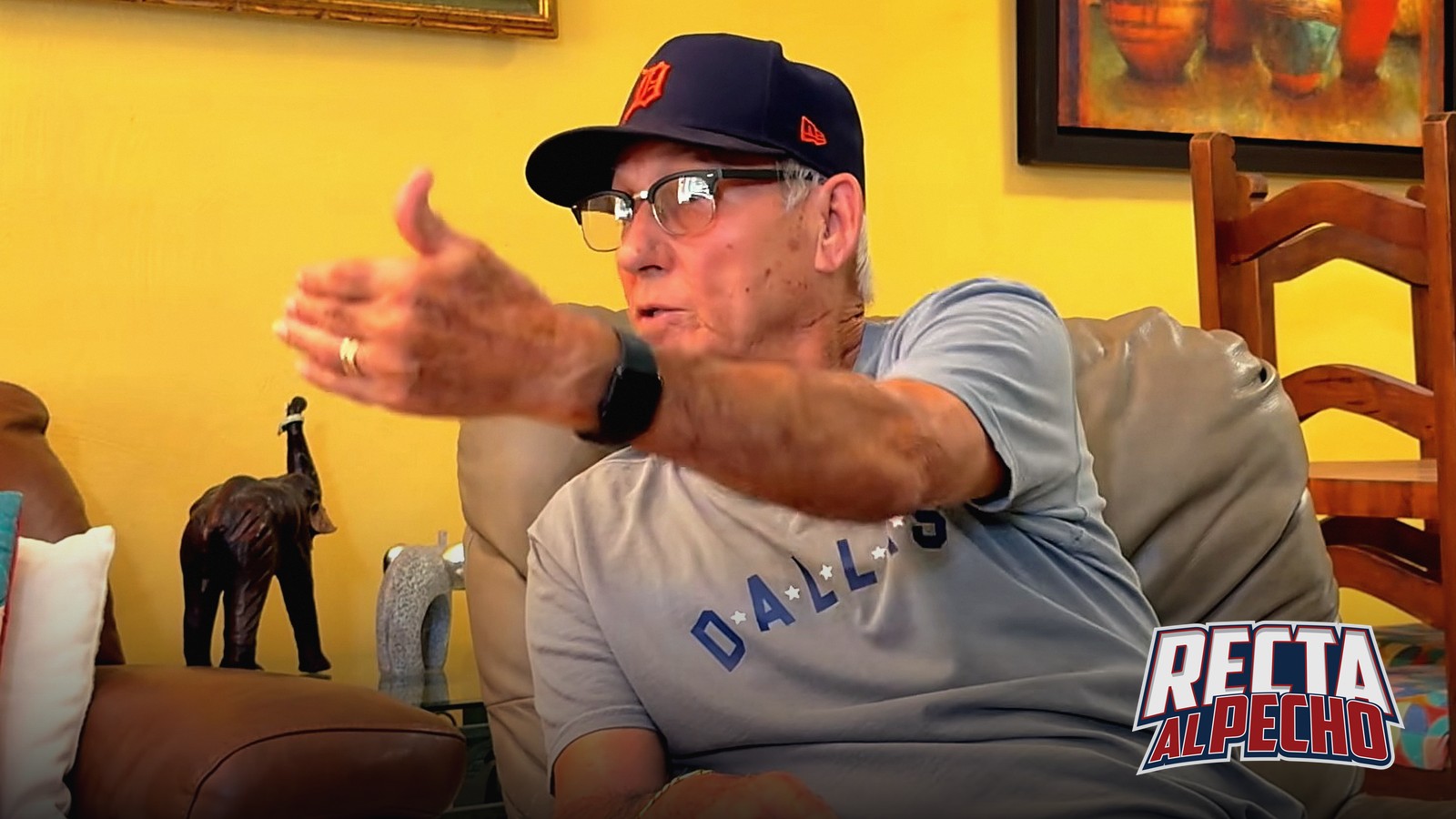
He told his story in Las Vegas, across from Eliam Marrero Bernal, with the same look of concentration he had on the mound. He didn't come to complain. He came to put the numbers on the table.
The country kid who didn't want to pitch
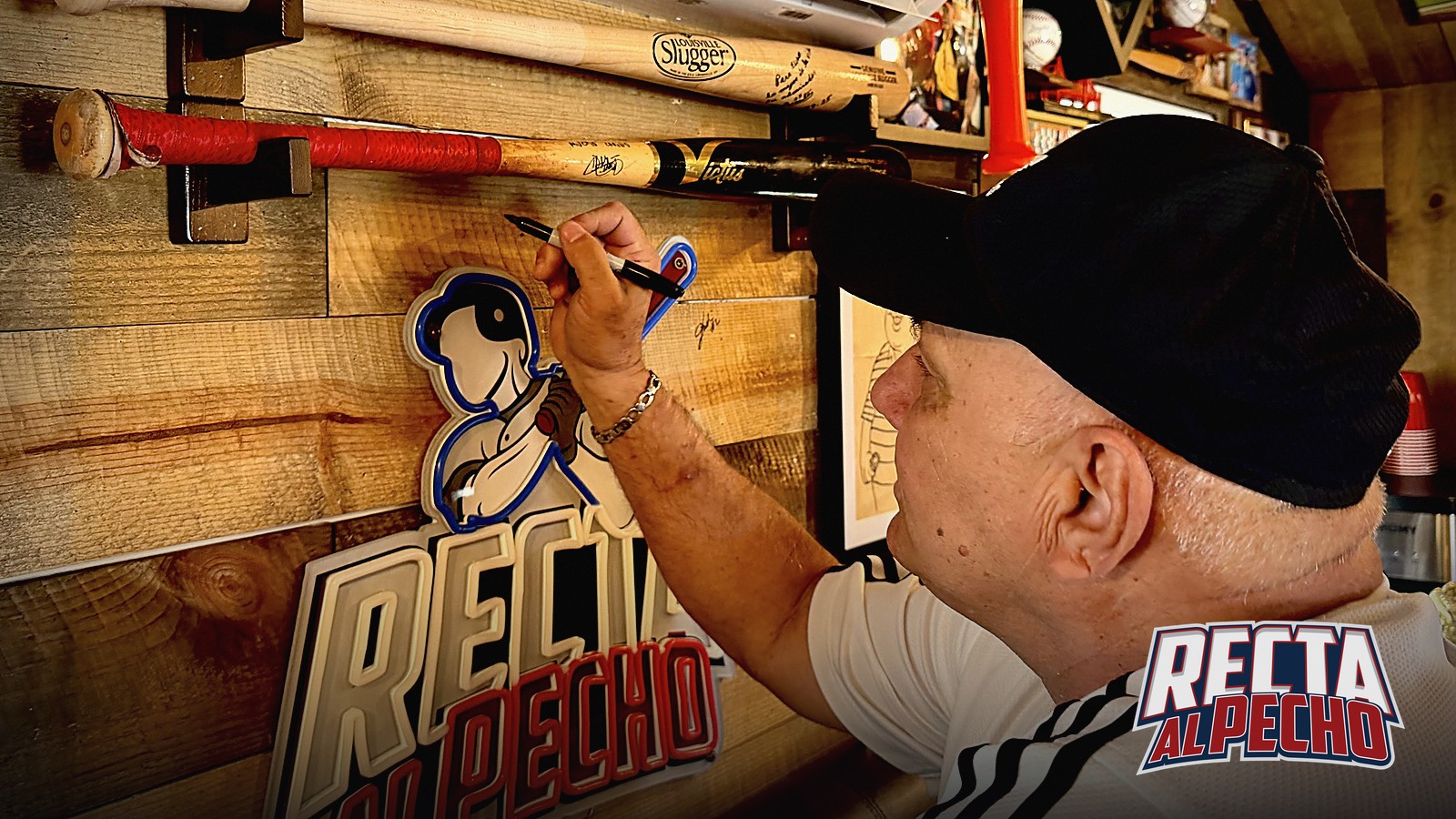
Yanes was born in Cienfuegos, grew up in Cumanayagua and arrived on the Isla de la Juventud, the Isle of Youth, at about nine. He played second and third and was, in his words, “really skinny.” He didn't want to be a pitcher.
He became a pitcher by accident. At a youth tournament, the team's two pitchers showed up late from work and he offered to hold the fort until they arrived. That afternoon he struck out 21. They put him in the rotation, he won four straight, and when they decided his future was on the mound, he went home: he didn't like to train.
His father, a bus driver, brought him back, promising the coach the boy would be at the stadium on Monday. Shortly after, he threw five two-hit innings against a Pinar del Río team full of Team Cuba players, and Luis Casanova told the coach: “Hey, watch out for this guy.” In his first National Series, in 1983, the Isla won nine games; he won six of them, as a reliever, and competed for Rookie of the Year with Rolando Arrojo.
The numbers from the little ballpark
What came next was 28 seasons with the same team. He recites the numbers himself and the interviewer confirms them: 235 wins and 241 losses, 714 games pitched, 504 starts, 3,836 innings, 475 home runs allowed. First in batters faced, first in innings pitched, third or fourth in strikeouts behind Lazo and Rogelio García. “I'm not a hard thrower,” he says, still surprised by that last figure.
The losing record has an explanation, and he gives it without resentment: the Isla was a team of castoffs from other provinces, always at the bottom of the standings, with a park about 385 feet to center and 265 to right. Once he pitched against La Habana, they got seven hits off him, all seven were home runs, and he won eight to seven.
“If I'd had a slightly better team, I'd have won a lot more sooner, I wouldn't have played as long, who knows.”
To those who call him “jinxed” for the close games he lost, he answers with exact accounting:
“I lost 47 games by two runs. I lost 45 games by one run. And I lost 17 games one to nothing.”
What he does claim as his own is consistency. Not a single arm injury in 28 years:
“I wasn't the type to pitch once a week. I pitched every five days, rested four, and on the fifth took on whoever came. I never missed a turn in the rotation.”
This is where this site's position comes in: Cuban baseball didn't reward tenacity. It rewarded star billing. Yanes didn't fit the poster, and neither did the Isla.
The cuts before the cut
The Team Cuba story starts long before the lost game. In 1994 he was the winningest pitcher in the country. They took him to the preselection, sent him to train in Japan, and five days after he got back to Havana the team left for an exhibition series in the United States. He found out he'd been cut from the television, at home. Five pitchers dropped; he still recites the names from memory.
Another year, when he won fourteen, the solution was tidier:
“They send me to Japan so they don't have to put me on the team. Personally and financially it went better for me, but it wasn't something the people coming up liked anymore.”
The offers that did come were from inside. In 1996 he joined Industriales as a reinforcement under manager Pedro Medina, won seven games, all complete games, and the capital offered to move him there, house included. He said no.
“They made me several offers from other teams and I never left. Provincia Habana wanted me, Industriales, even Cienfuegos, where I was born. And I never chose to betray the Isla.”
It's worth noting: the only real offer Carlos Yanes received in his career was to change provinces within Cuba. Nothing from abroad.
“When Fidel said something, it was law”
In the year of the Orioles, 1999, Yanes won twenty games. He was, once again, the winningest pitcher in Cuba. He wasn't invited to the team that faced Baltimore in Havana, nor to the 50-man preselection that came afterward. A broadcaster had nicknamed him “Iron Arm” for carrying the Isla through the playoffs against Pinar del Río and Industriales, and still nobody called him.
Fidel Castro called him. Or, more precisely, he asked.
“When they give Fidel the list, he asks where the name of the ‘Iron Arm’ pitcher is. And then Carlos Rodríguez, who was the commissioner, and Benito Camacho, to whom I owe no gratitude in any sense, told him I'd be joining on Monday because there was no ticket from the Isla. And then they called urgently. When Fidel said something, it was law.”
That was a Saturday. By five in the afternoon Yanes was in Havana. He went to the Intercontinental Cup in Sydney, his only competition with the senior Team Cuba. He came on in relief in the ninth, with the bases loaded courtesy of the starter, and lost the game.
He never wore the main Team Cuba uniform again. There was a B team to the Netherlands, and nothing more. In 2000 he threw a no-hitter against Villa Clara and remained among the best in the country until 2007, by his account. It didn't matter.
When Marrero Bernal lays out the math for him, with the case of Yadel Martí as a reference point, the pitcher goes quiet for a second:
“I hadn't thought of it that way. But well, two plus two… could be.”
It's the unwritten law this archive has been documenting interview by interview: in Cuba you lost a game and you lost your career, without anyone signing the punishment.
The retirement he had to get through friends
He left in 2011, in the middle of a season, with wins No. 234 and 235 in hand. He thought he had earned a good retirement. The system thought otherwise.
“Twice they tried to retire me with retirements that not even my own family would have heard about. And I said I wasn't retiring. Unfortunately I have to say it: friends of mine who were company directors, two or three friends I had in the government, until a retirement was arranged for me.”
There was a tribute. Afterward, the usual silence:
“There was no life there anymore, they didn't help you with anything. You'd go see some official, some boss, as we say, and they'd hide from you.”
A painter friend spoke with an official and they got him a little car. That car, which there was no way to find tires for, was what he sold to pay for his way out. Yanes was never suspended, never ejected from a game, never claimed to be tired to get out of pitching. He did everything the official rhetoric demanded, and the rhetoric answered him with a scrap of paper.
Las Vegas, without baseball
His father had been in the United States for more than twenty years. He is sixty, going on sixty-one. Some friends tried to place him as a coach at a high school, résumé in hand, but they required English.
“I've lived here as a normal citizen, not in baseball.”
He has no regrets. He has family in Cuba and helps them from here. He sums up his own case:
“I think I made plenty of history for my Isla, for my Cuba, and in the end they don't value you. If I had done here what I did in Cuba, I wouldn't have had to ask anyone for anything.”
The pitcher who threw the most innings in National Series history needed Fidel Castro to ask about him to make Team Cuba once, and one relief loss to never return. That is the injustice: a country that demanded loyalty in exchange for nothing and left the man who gave it completely with no retirement, no ballfield and no name.
The full interview with Carlos Yanes is on the Recta Al Pecho YouTube channel.
Originally published in Spanish on Recta Al Pecho.