
Oct 31, 2026 · By Eliam Marrero Bernal
Kicked out of baseball at 25 for not being from Havana
Geisbel Rodríguez played on the Isla de la Juventud's best generation and was pushed out twice, as a player at 25 and later as a coach, without a single lost game to blame.
This series is called Los Borrados, The Erased, because Cuban baseball didn't only erase the ones who left. It also erased the ones it never bothered to look at.
Geisbel Rodríguez is one of them. He has no medals on the wall and no home run in a World Cup. He has something that, in this archive, is worth just as much: he was an inside witness to the best generation the Isla de la Juventud, the Isle of Youth, ever had, and the system pushed him out of baseball at 25 for a reason that had nothing to do with what he did on the field.
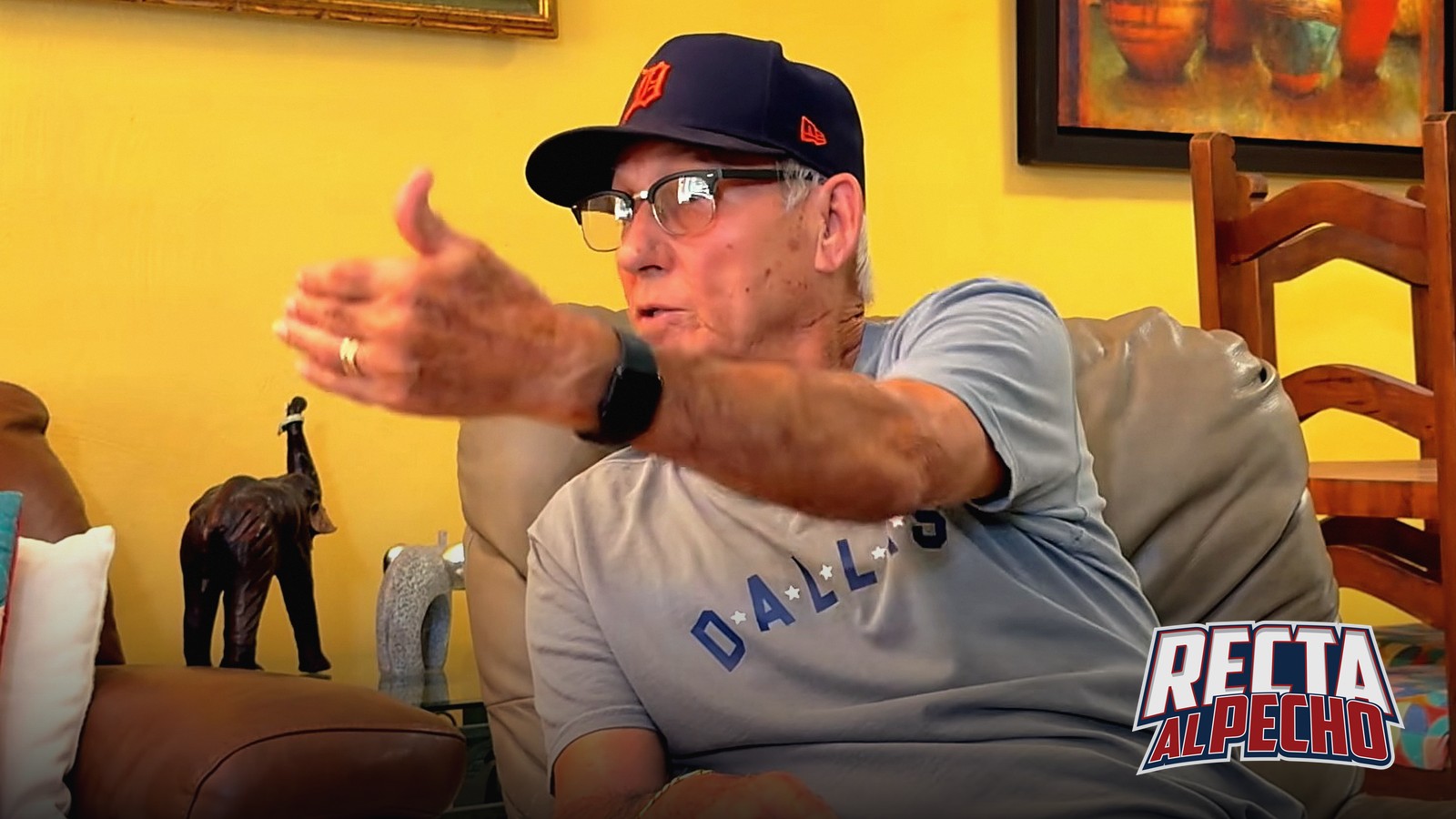
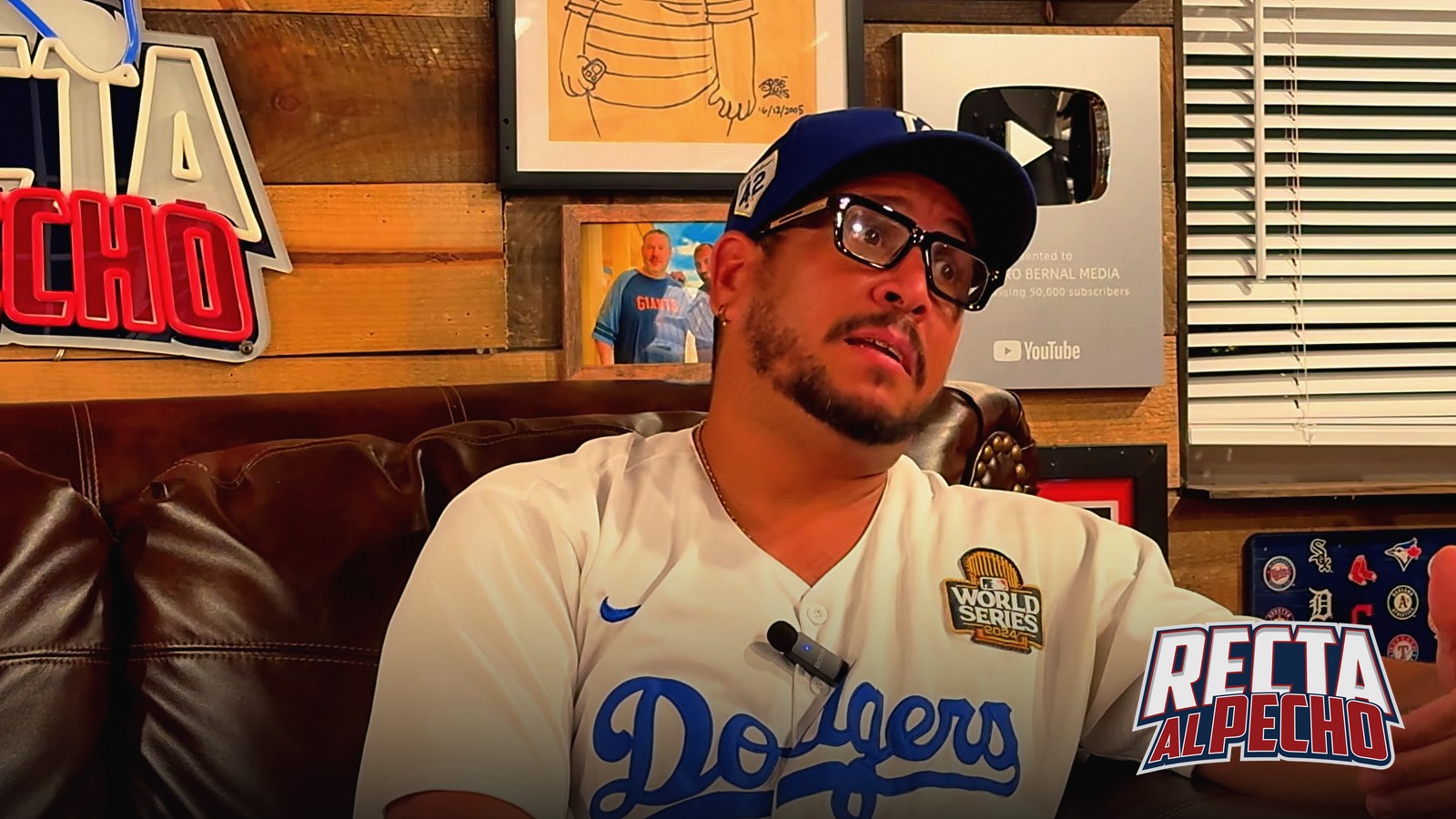
He told his story in Las Vegas, without melodrama, across from Eliam Marrero Bernal. And he said it with a line that is the real title of this story:
“In that combo of people they brought in, they take me out of baseball at 25. Cronyism and the little clique. You know how it is.”
The utility man's utility man
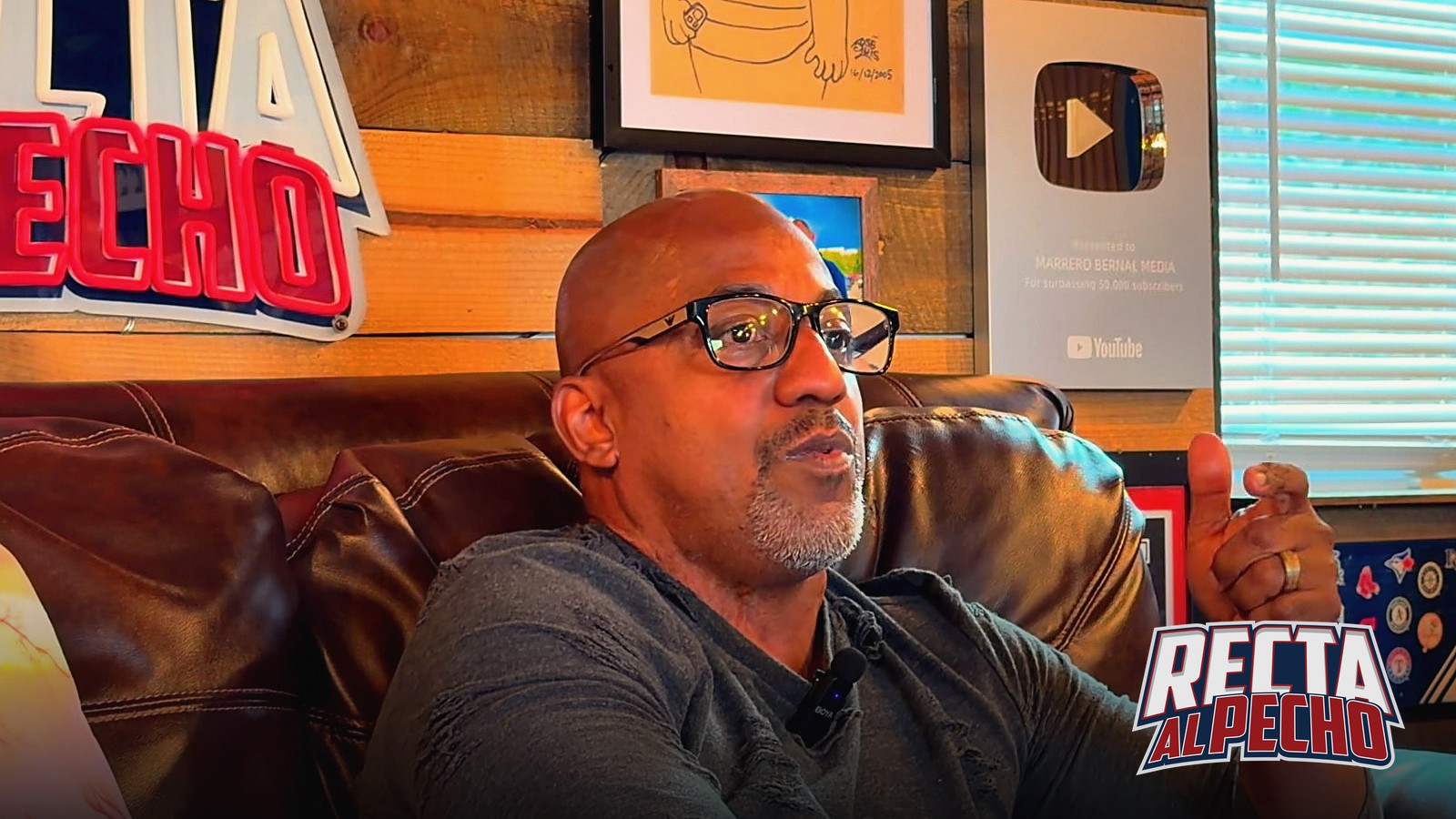
First, who he is.
Rodríguez is from La Fe, not Nueva Gerona, and he came all the way up through what he calls the pyramid: pre-EIDE, EIDE, ESPA, development league and National Series, the ladder of Cuba's sports schools up to its top league. He debuted with the Isla de la Juventud in the 1999-2000 season, which he himself calls “the famous series of the millions,” the season Cuban ballplayers started sleeping in hotels.
He played four seasons. He defines his position himself, no frills: “I was the utility man's utility man.”
His Isla was the Isla of Michel Enríquez, Alexander Ramos, Juan Carlos Moreno, Luis Felipe Rivera, Carlos Yanes. He says so himself: on that team you could almost field two lineups, and the intrasquad games were something to see. It wasn't easy to break through there. But it wasn't the competition that pushed him out.
Five sodas a day
Before the expulsion comes daily life, and it's worth telling because on its own it dismantles the fairy tale of the happy amateur athlete.
The Isla was the team that logged the most miles per season, and not by plane. Launch, ferry or catamaran from Batabanó; to get to the east, a trip he remembers as nineteen hours to Guantánamo. Industriales would finish a game in Villa Clara, sleep at home and rest on Friday. The Isla would arrive at night and play the next day at one in the afternoon, because the stadium had no power for night games.
The salary wasn't a salary. It was a “sports leave”: he was put on the payroll of a farming cooperative, plus a per diem of about sixty pesos that was later taken away. The real money came from selling.
“You'd go out in the morning and you'd already have your case together. Because you know that in such-and-such place they'll take the case of soda off your hands at eight.”
It was five sodas a day per player. Nobody drank them: they saved them, put together a case and sold it. They sold the buffet food, they sold the team shirt, they sold the signed bat. A road trip of four or five series was a traveling inventory. Getting home with eighty or a hundred dollars, he says, meant you were “set.”
And it wasn't just the guys who played the least:
“Everybody had to do it. Even the best player on the team. Very few people, you know, a national team, those people did have their salary. But the biggest percentage did it.”
There it is, from the mouth of an Isla utility man, what this site has been arguing for months: a real salary existed only for the elite. Everyone else got the case of soda.
“They take me out of baseball at 25”
The moment of his expulsion, he says, he had never told anywhere.
In his last year, the Isla decided to reinforce itself with players from Havana. A Havana pitching coach arrived, since deceased, and started bringing in people from the capital. They weren't big names. According to Rodríguez, they hadn't played for Metropolitanos or for Industriales. But they were from Havana, and they belonged to somebody.
In that “combo,” he was the one who went. At 25. With no explanation other than cronyism.
A teammate, Juani Alemán, said it to his face some time later, at an event: “They kicked you out of baseball at 25.” Rodríguez's answer was the one many give: “Whatever, brother.” And he started studying.
The one who learned abroad
Rodríguez earned a degree in Physical Education, worked at the EIDE and went to Venezuela on a two-year mission. There, in Zulia, he worked at an academy and saw for the first time how a player is prepared for professional baseball: the evaluation, the 60-yard dash, hitting, mechanics.
“The first time I leave Cuba, and that's when I see the harsh reality, or the false notion that everything was bad.”
He came back “very transformed,” in his words. And he came back with something the Isla was short on: professional-level knowledge. Armando Johnson, Mandy, saw him working with La Fe's provincial team and brought him onto his coaching staff. Rodríguez worked with the infield alongside Alexander Ramos.
That year, he says, the team set a defensive record in the National Series, and the Isla sent four players to the 2013 World Baseball Classic: Andy Ibáñez, Luis Felipe Rivera, Wilber Pérez and Raisel Iglesias. It had never happened before.
He worked with Ibáñez on the side, on mechanics and defense, with a net wherever they could set one up. He doesn't claim to have discovered him. He claims what's fair:
“I'm not going to tell you now that I discovered Andy Ibáñez. No. But I do know we worked a lot.”
Andy Ibáñez made it to the major leagues.
The second time they erased him
They pushed him out again. This time as a coach, and this time with an accusation.
Rodríguez was managing the Santa Fe team. Several of his players left the country by way of the Dominican Republic, in the years when ballplayers went out on visas and didn't come back. He knew nothing. He says it with humor and anger at once: if they'd told him, he would have gone with them.
“I get labeled as being in on that whole business of them leaving. Nothing. And yet I'm the one who gets separated from baseball when I was all in.”
It was between 2013 and 2015. They removed Mandy as the Isla's manager, and Rodríguez, who had been mentioned for the development league, was sent to a local sports center to work with kids aged thirteen, fourteen and fifteen. No process, no evidence.
“In Cuba you're guilty unless you prove otherwise.”
And that was the end of it. The graduate who had learned the professional method in Venezuela took a cooking course and went to Cayo Largo del Sur to make pasta and pizza for tourists. He did it for three years. He earned more in tips than in baseball, and the baseball friends who saw him in an apron asked him what he was doing there.
“This is where the money is,” he'd tell them.
Out the door
The way out came through Nicaragua, on a route passed along by another Isla player, Danny Aguilera. He said goodbye to his parents on March 2, 2020, his birthday, and left Cuba on the 12th. The pandemic kept closing borders behind him: Nicaragua, Honduras, Mexico. He spent a year in Mexico, between Tapachula, Tuxtla and Monterrey, and crossed into the United States in March 2021. A week in San Francisco and then Las Vegas, where a friend, Lionel Mendoza, opened his home and his fridge to him.
Five years later he is married, works outside baseball and hasn't gone near a field as a coach. What he does have is a channel, Geisball Podcast Sports, a name his wife came up with by combining the first letters of his name with the word ball.
When asked whether he regrets coming, he doesn't hesitate:
“No, never. I think I should have done it sooner. I've had the opportunities I didn't have in Cuba.”
Geisbel Rodríguez didn't turn down millions or pose with comandantes. He did what the system asked, twice, as a player and as a coach, and both times they cast him aside without a single lost game involved. That is the injustice this archive documents: in Cuban baseball you didn't have to leave to be erased; it was enough not to be from Havana and not to belong to anybody.
The full interview with Geisbel Rodríguez is on the Recta Al Pecho YouTube channel.
Originally published in Spanish on Recta Al Pecho.