
Jun 8, 2026 · By Eliam Marrero Bernal
Tito Fuentes: The Glove Time Couldn't Age and Oblivion Couldn't Erase
Considered by many Cuba's best-ever second baseman, Tito Fuentes signed with the Giants in 1961, set a fielding record in 1973 and remained a ghost to Cuba's official institutions.
In the pantheon of Cuban baseball, there are names that echo through the island's grandstands and others that, through the whims of politics and fate, were left suspended in a media exile. Rigoberto “Tito” Fuentes is one of them. Considered by many the best second baseman Cuba has ever produced, Fuentes isn't just a collection of impressive statistics; he is the embodiment of the pimienta —the spice—, the style and the resilience of a generation that had to choose between its homeland and its professional calling.
From La Víbora to legend
Born in 1944 (though, with a ballplayer's typical mischief, he admits to adjusting his age in order to sign), Tito grew up on the sandlots of Havana, playing with rocks and bits of glass before pulling on his first uniforms with “Los Turistas.” His story takes us back to a Cuba of 40-cent bus fares and endless walks from El Cerro to La Víbora so he wouldn't spend the money for the ride home.
His rise was meteoric. He represented Cuba as a junior in 1958 and as an amateur at the 1961 World Championship in Costa Rica. It was precisely there that fate took an irreversible turn. While political battles raged on the island, Fuentes signed with the San Francisco Giants. “My dad told me: professional baseball isn't going to exist here… go,” he recalls, with the nostalgia of someone who knows that advice saved his career but kept him away from his roots for decades.
The “Dandy” of San Francisco
Tito Fuentes didn't just play baseball; he performed it. He was a pioneer of the bat flip back when it was still considered an insult, and his impeccable style —with his famous headbands and chains— made him a visual icon. But behind the show was an ironclad professional. In 1973, he set a fielding record of .993, committing just six errors in 160 games, a mark that stood untouched for 13 seasons.
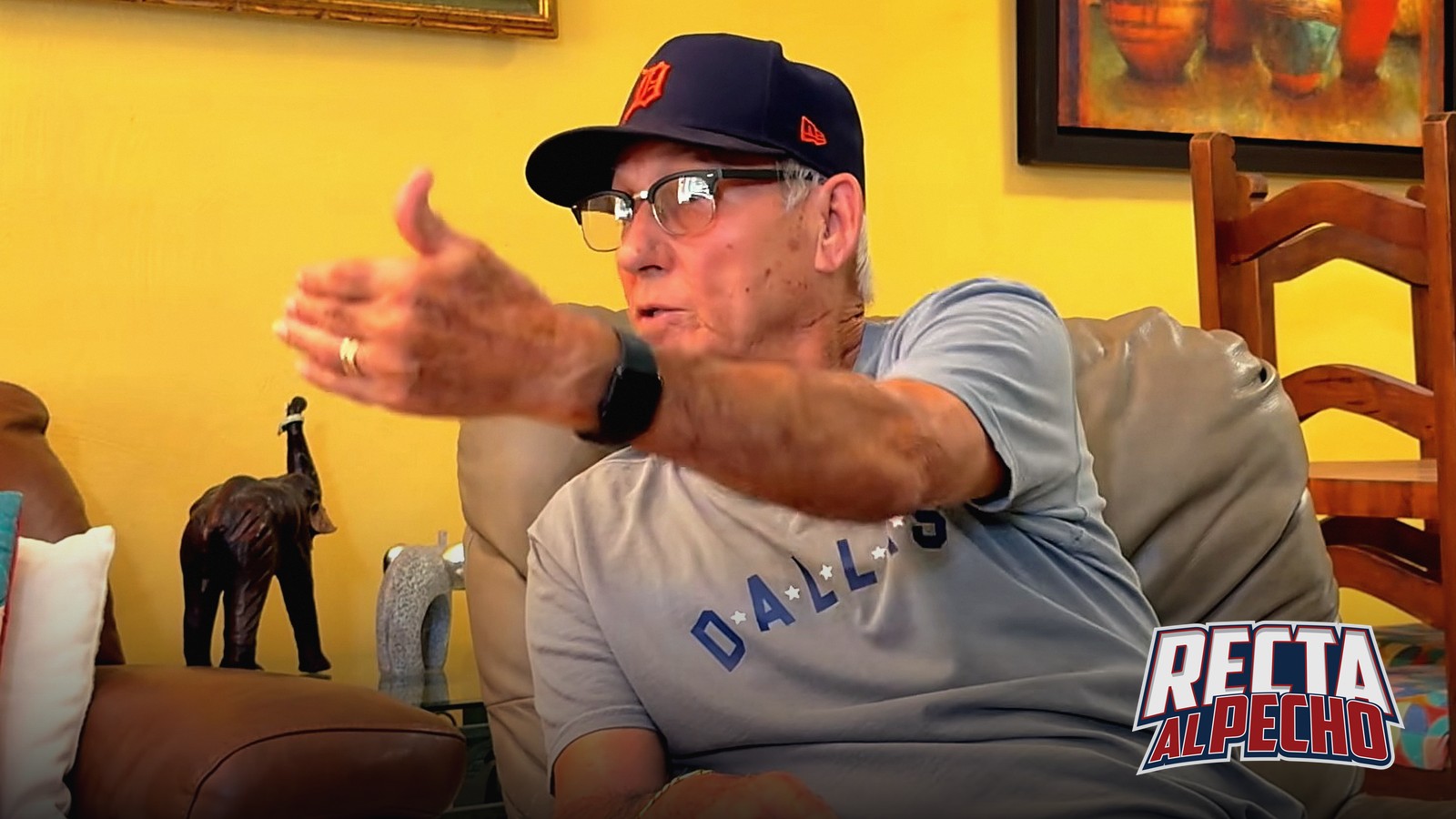
In the interview, Tito reveals the mindset of that instinctive player: “I don't do play-by-play, I comment on what I see as a second baseman.” That same vision made him a star analyst after he retired, keeping the flame of baseball alive for the Hispanic community in San Francisco since 1981.
The reunion and the official “silence”
One of the most moving moments of his testimony is his return to Cuba in 1976. After 14 years without seeing his parents, Tito went back to find that, although the people and colleagues like Rey Vicente Anglada admired him, to the official institutions he was a ghost. “I'm Cuban, nobody can take that away from me,” he says firmly, recalling how he made it clear to the federation officials that he had represented Cuba at every stage: junior, amateur and professional.
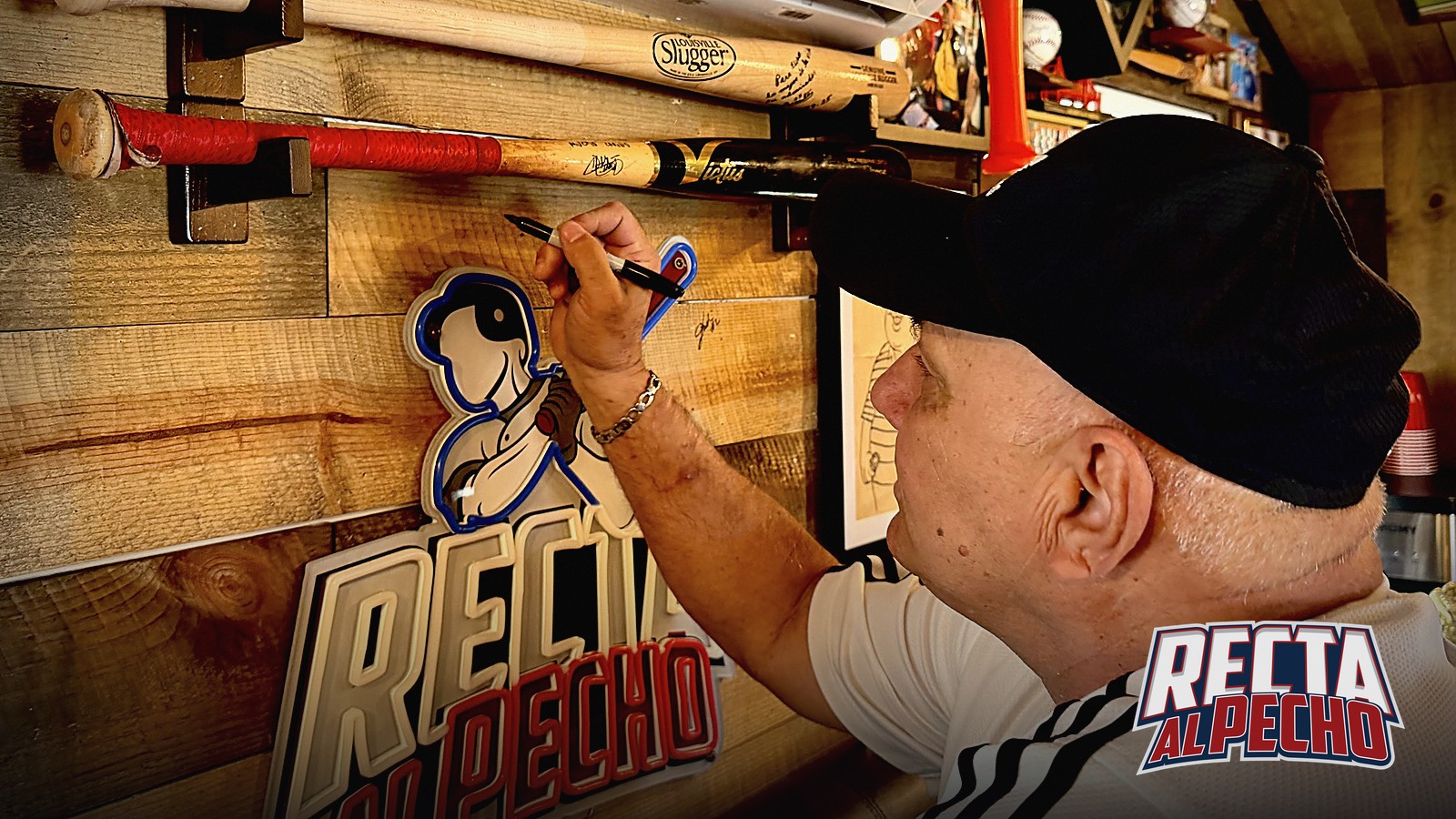
At 80, Tito Fuentes is still pure pimienta. His memory, as crisp as a line drive down the line at Candlestick Park, holds the stories of sharing the field with immortals like Willie Mays and Juan Marichal. Even though his country's government tried to erase his name from the textbooks, baseball history —the kind written in sweat and records— keeps him in the place he deserves: that of a living legend who never forgot where he came from.
Originally published in Spanish on Recta Al Pecho.