
Jun 8, 2026 · By Eliam Marrero Bernal
Between the Diamond and Freedom: A Conversation With Liván Hernández
The 1997 World Series MVP talks about “I Love You Miami,” the persecution of his brother El Duque, the Cuban team's turned backs and his academy in Hialeah.
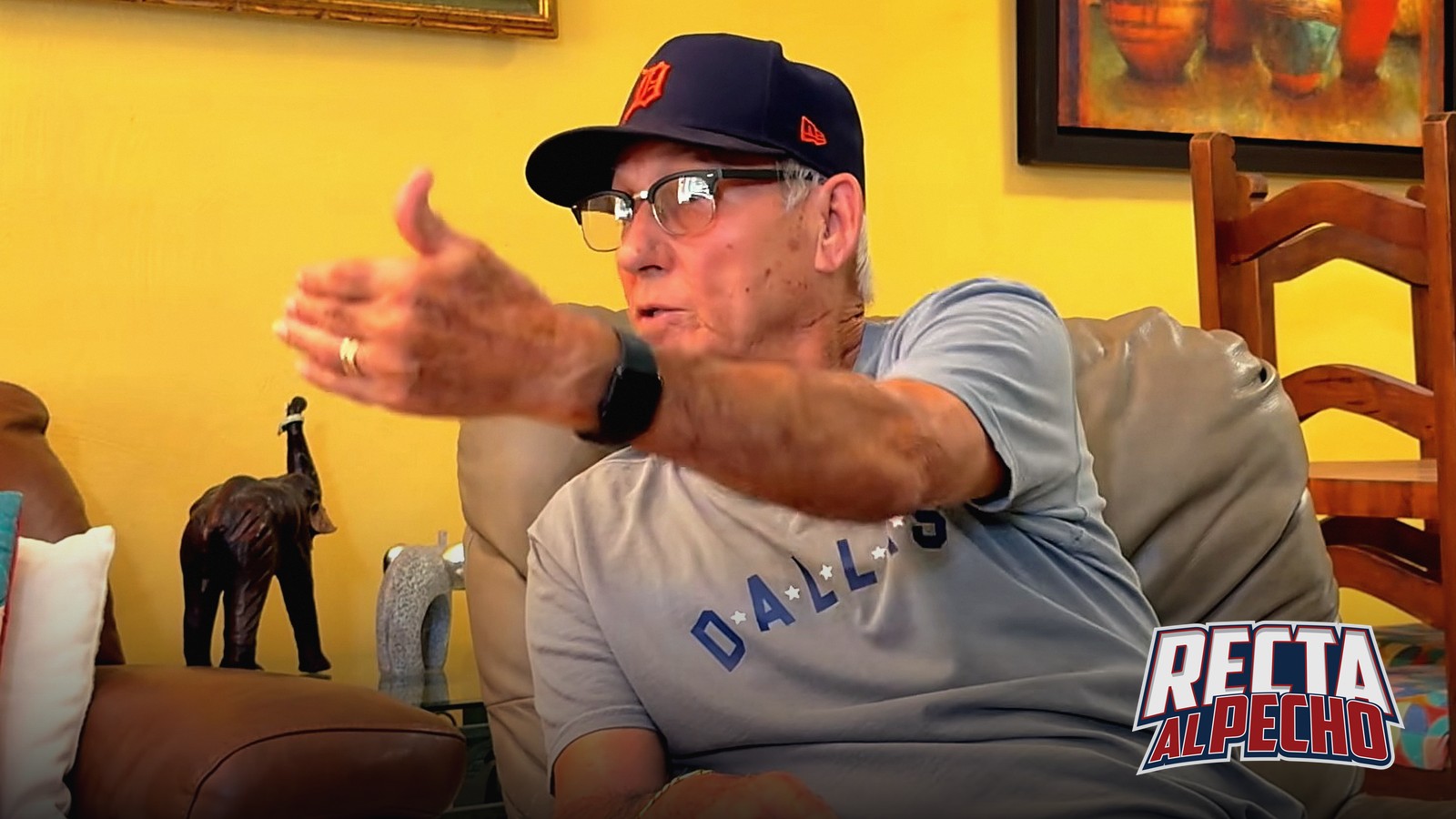
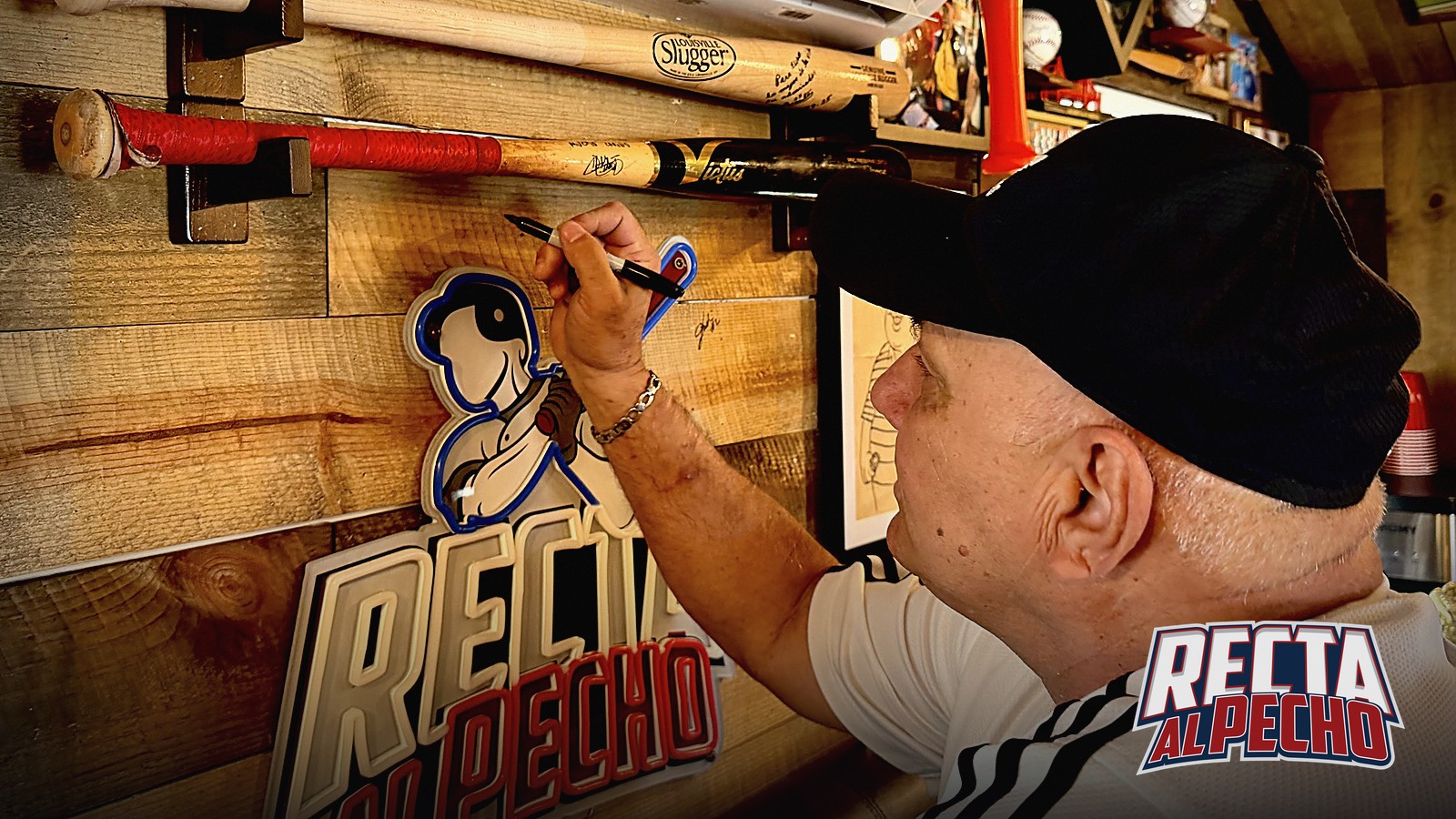
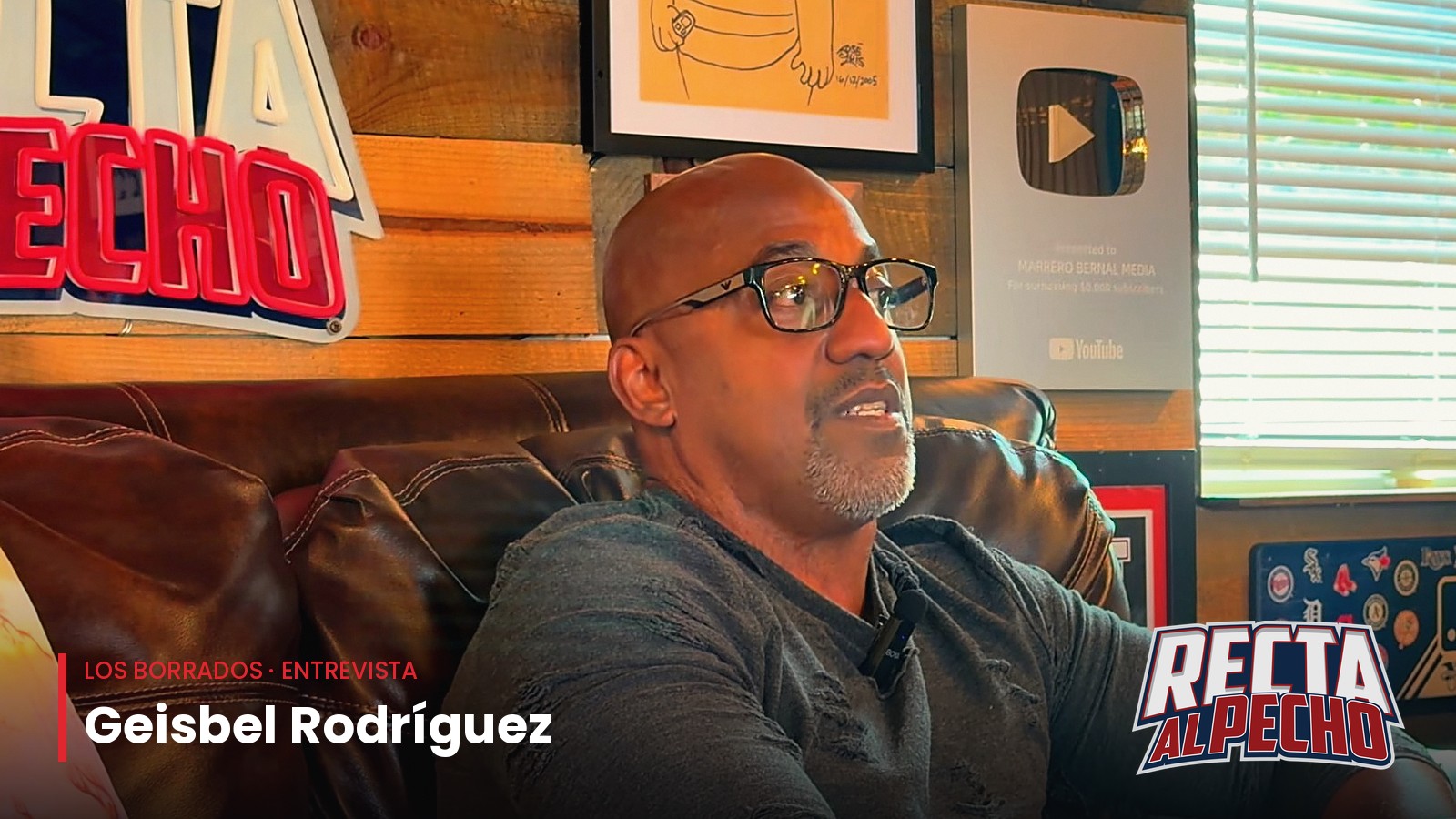
Sitting across from a living baseball legend doesn't happen every day, and doing it with Liván Hernández is also a lesson in history and in what it means to be Cuban. In this edition of Recta Al Pecho, we had the privilege of talking with the 1997 World Series MVP, who, with the same frankness he brought to his curveball, opened his heart to us about his past, his family and the decision that changed his life forever.
The cry of freedom: “I Love You Miami”
Almost 30 years have passed since Liván immortalized that line after winning the ring with the Marlins. “History is the only thing that doesn't change,” he told me, with nostalgia but with pride. For Liván, Miami isn't just a city; it's the refuge where he stopped being a young man collecting bicycle seats on international trips to survive and became a symbol of success. He describes himself, without hesitation, as “an American trapped in the body of a Cuban,” someone who back on the island was already dreaming of the bright lights of the big leagues while secretly listening to Willy Chirino.
The shadow of “El Duque” and betrayal on the island
One of the tensest moments of our conversation was remembering the persecution his brother, Orlando “El Duque” Hernández, suffered after Liván left. We talked about the trial in which figures both of them considered friends ended up turning their backs on El Duque on the government's orders. “They did my brother a favor by banning him from playing, because he ended up shoving four rings in their faces,” Liván declared with a triumphant smile. Despite the 10-year age gap and having grown up in different places, the bond between them is unbreakable.
The World Baseball Classic and a bitter pill
We couldn't avoid the subject of the Cuban national team and how exiled players are treated. Liván recalled bitterly how, at a World Baseball Classic, the island's players turned their backs on him out of fear or indoctrination. “I felt sorry for them; on the other side there were a billion dollars in contracts and they greeted me with respect, while they wouldn't even look at me,” he reflected. For him, putting figures like Germán Mesa in charge of the national team is nothing more than a political decision by a system that neither forgets nor forgives.
A present built on discipline
Today, far from the big stadiums but closer than ever to the game, Liván runs his own academy in Hialeah. There, he tries to instill in young players the discipline he learned from mentors like Dusty Baker. “The problem isn't the kids, it's the parents who think that because they pay, their kids have the right to play without putting in the effort,” he told us, half laughing, half serious.
Liván Hernández didn't just throw complete games; he pitched a life full of challenges. As we said goodbye, one thing was clear to me: the young man who in 1995 decided to leave everything behind in Mexico to be free would do it a thousand times over. “I don't regret anything,” he concluded.
Originally published in Spanish on Recta Al Pecho.