
Aug 11, 2026 · By Eliam Marrero Bernal
The Bicycle Seats That Changed the History of Cuban Baseball
In 1995, tossing contraband bicycle seats into a Monterrey trash can, Liván Hernández decided it was his last trip with Team Cuba. Two years later he was World Series MVP.
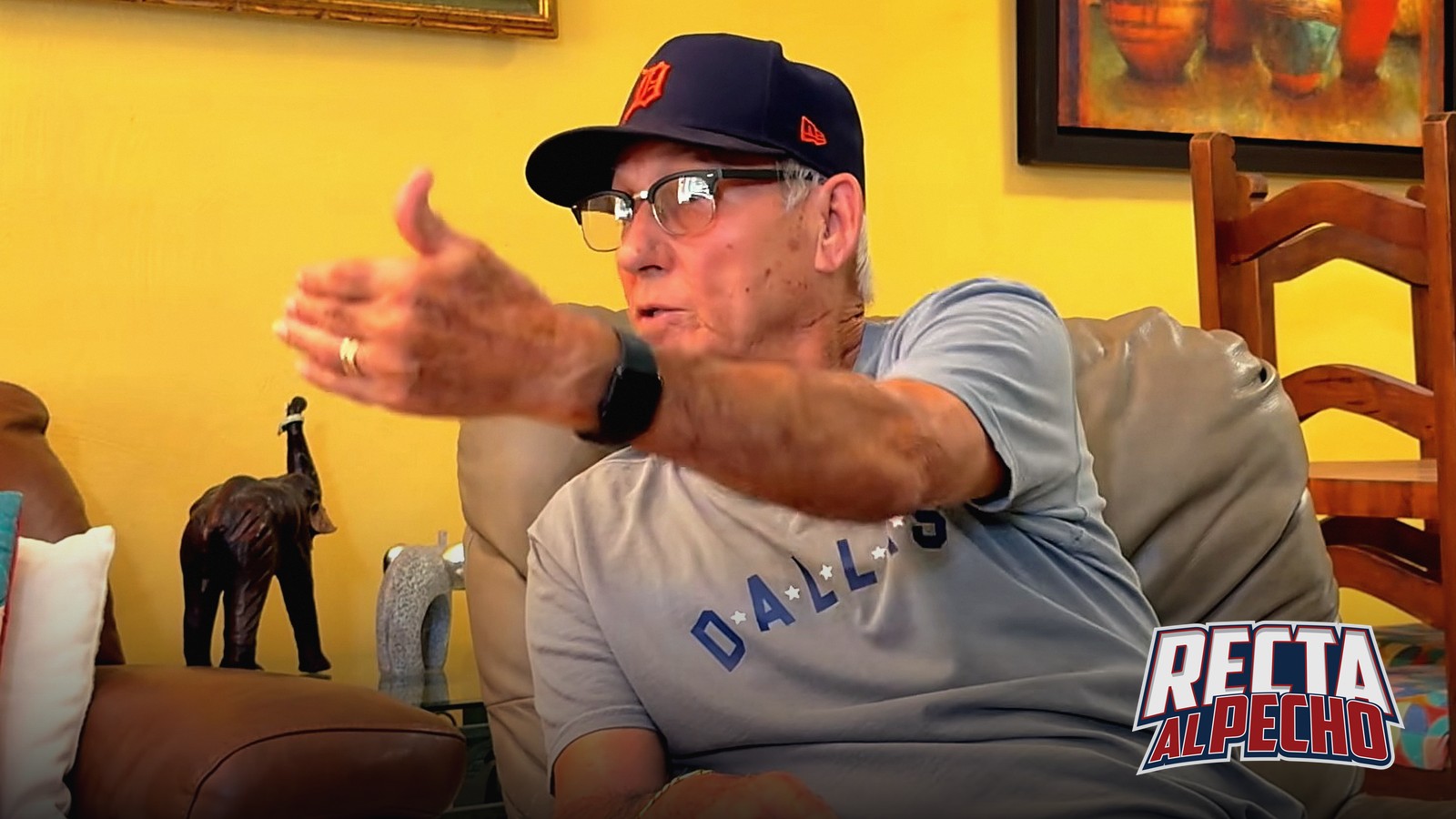
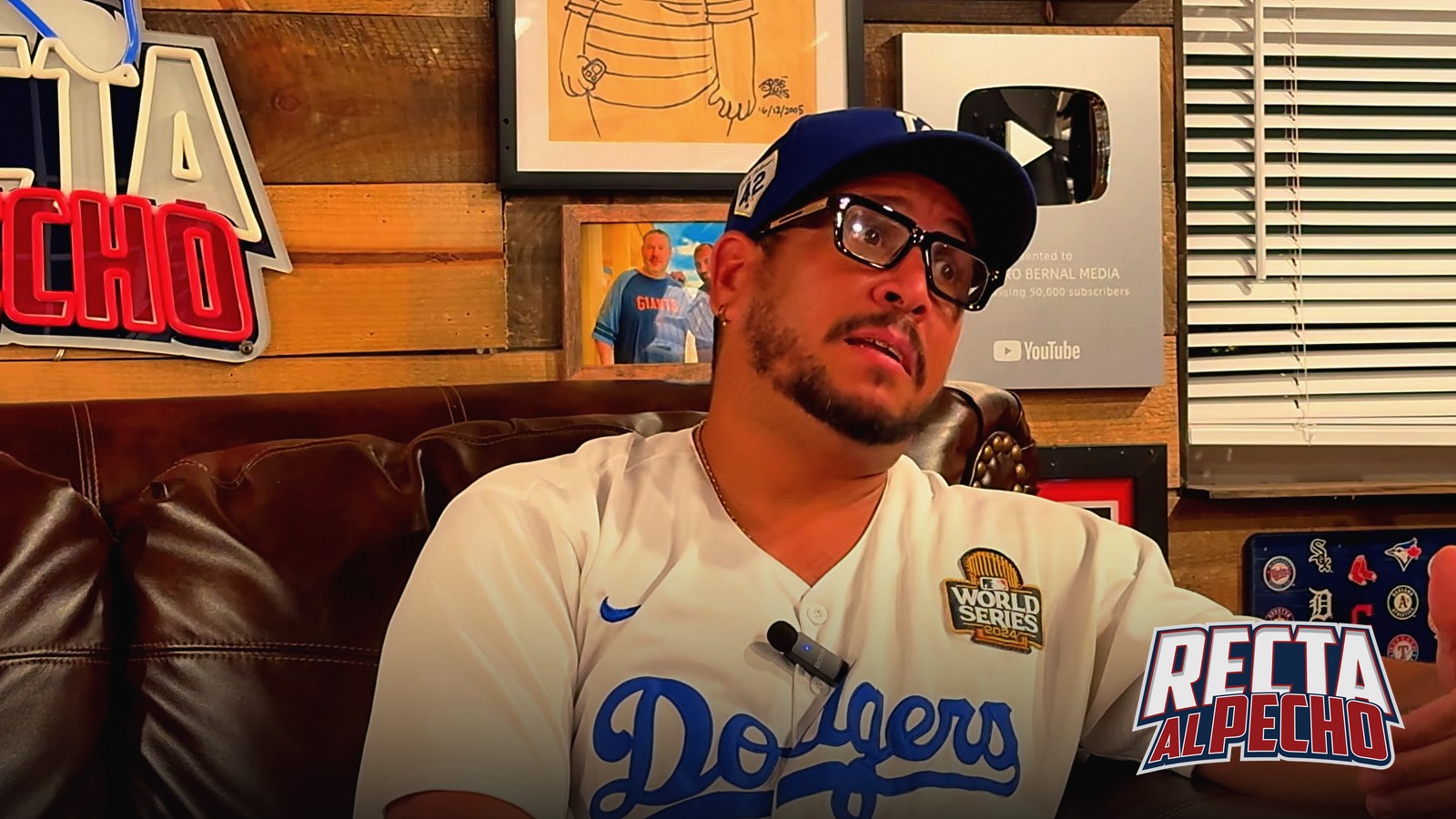
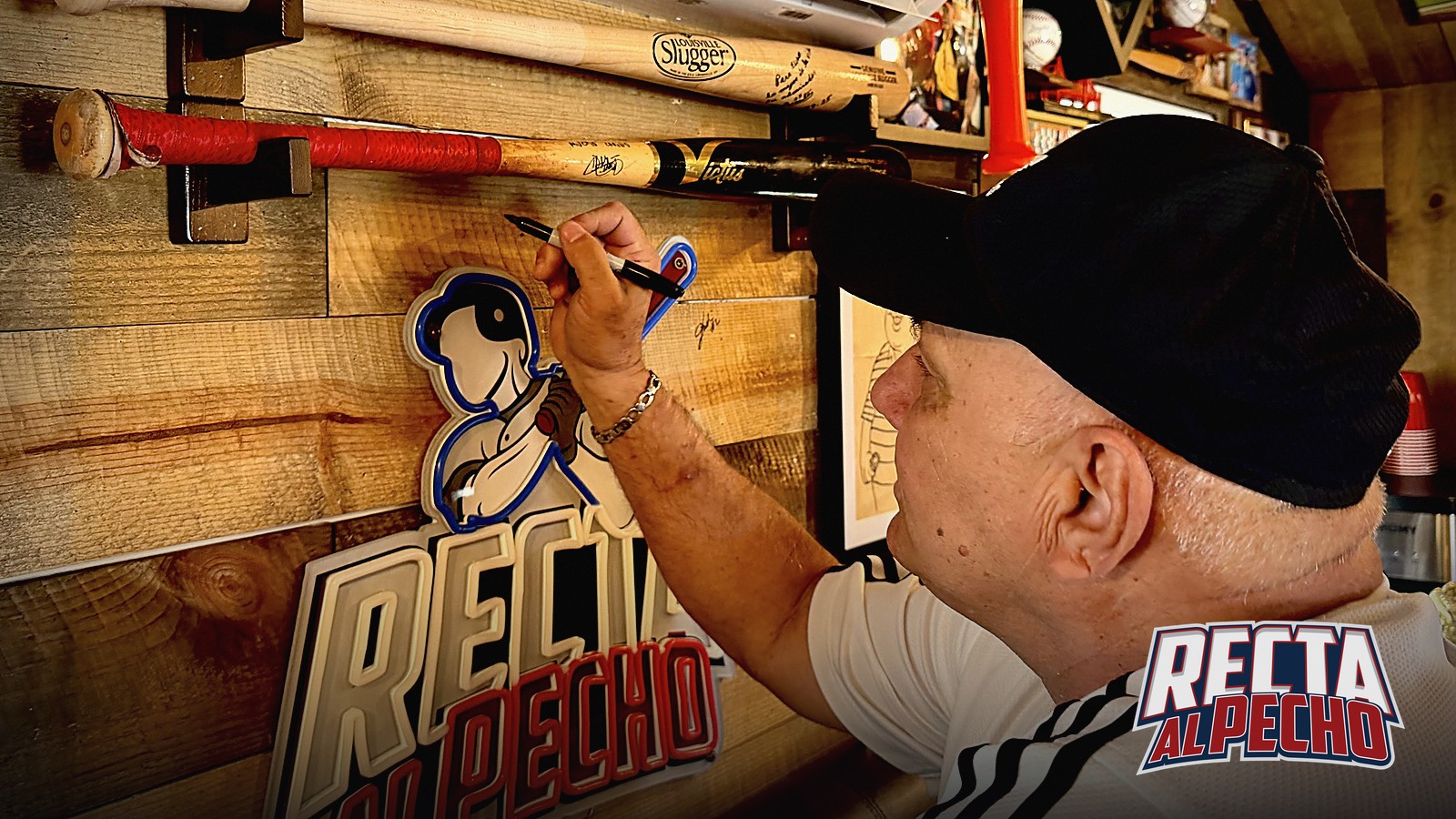
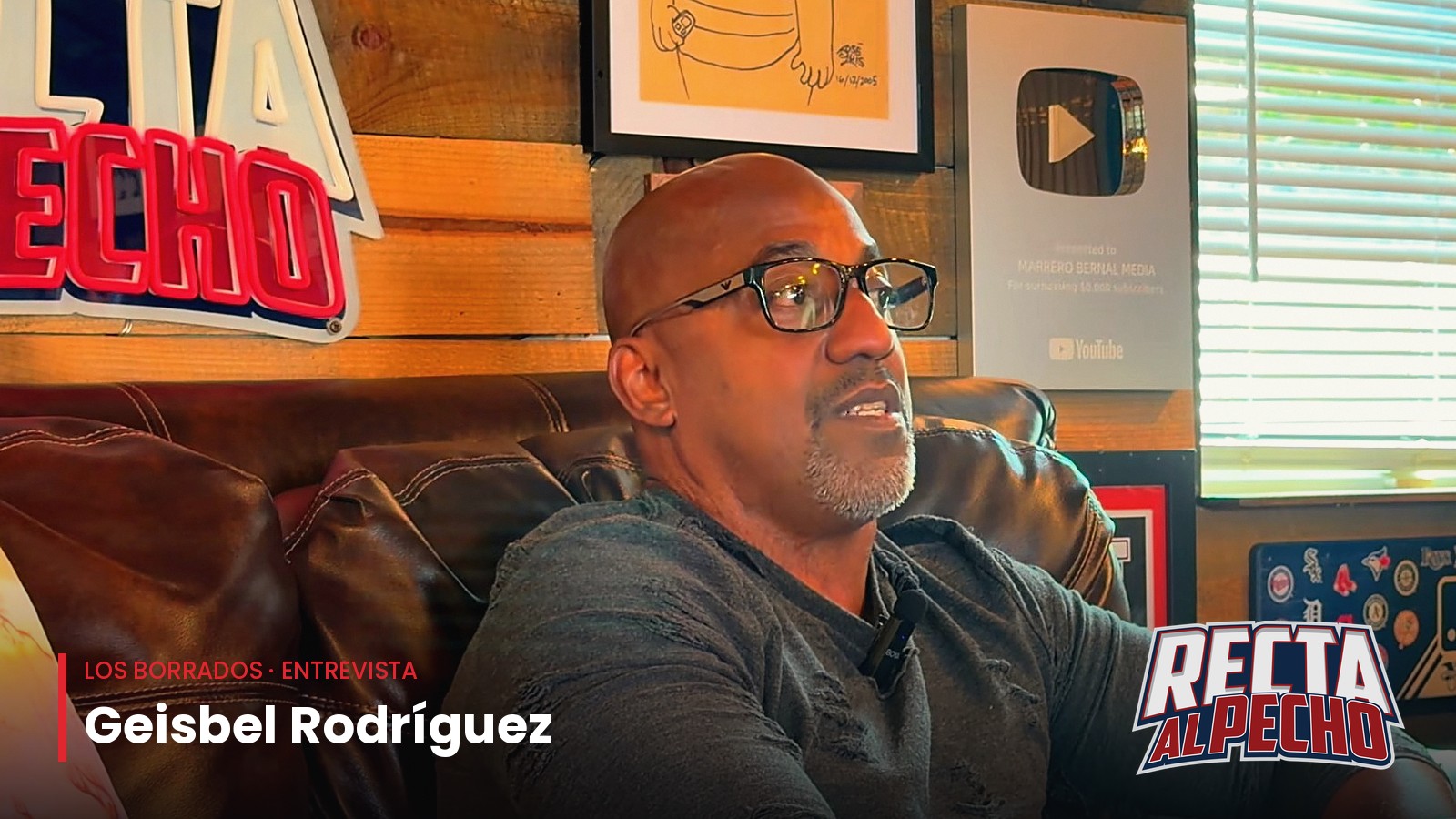
Liván Hernández sat down with me for almost an hour and a half. He talked about the ring, about Barry Bonds, about his brother and about the night an entire team turned its back on him. But the story begins with a suitcase full of shampoo.
There are decisions you'd think get made in an office, with a contract on the table. This one was made next to a garbage can.
It was 1995. Liván Hernández was coming back from a world university championship —one of those tricks Cuba pulled, slipping national-team players in where they didn't belong— and he was coming home the way everyone came home: loaded. Not loaded with trophies, but with shampoo, soap, things you couldn't find on the island. And with bicycle seats. Twenty of them, he told me. The racing seats we used to call halcones in Cuba, which sold for a lot of money back home.
“All the bicycles were parked in front of every dormitory, twenty bikes next to the other building, twenty at the other one. When there were five days left, three days, the bikes were going around without seats.”
Then word came down that anyone carrying anything that didn't belong to the team would never travel again. And Liván, who wasn't actually part of that delegation but of the Cuban national team, weighed the risk of a suspension and started throwing everything away.
He was tossing out the seats when it hit him:
“Throwing those things away, I said: this is the last trip. This is the last trip the Cuban team is going to see me on.”
It wasn't a scout. It wasn't an offer. It was a twenty-year-old throwing bicycle seats in the trash and understanding, in that one gesture, that the whole life he'd been assigned fit inside that suitcase.
Who he was before he left
It's worth spelling out what he was leaving behind, because the propaganda later painted him as a kid who left chasing money.
In Cuba, Liván had the numbers. He finished one season 6-2, tied with Ajete —the best left-hander in the country— in the argument over who was the best pitcher on the island.
“I was the righty and he was the lefty.”
There's no arrogance in that: there's memory, because it bothers him that people today talk on social media without ever having seen it.
And there's one name he repeats with gratitude: Jorge Fuentes.
“If it hadn't been for José Fuente, my future in baseball here in the United States might have changed, because I wouldn't have made the Cuban team.”
Fuentes gave him the chance to start for Occidentales when that pitching staff was stacked: Ajete, Faustino Corrales, Tati Valdés. From there to the national team trials; from the trials to the Cuban national team; from the national team to Monterrey. One link after another.
I asked him about his best game in Cuba and he didn't hesitate. It was against Lázaro Valle. He won 1-0.
“I don't even know how we scored the run, because it was strikeout after strikeout — Valle had something like fourteen strikeouts or more.”
And there's a date that sounds to me like something out of a novel: on April 4, 1995, he had to pitch against his brother, Orlando “El Duque.” He won. They didn't want to do it —they had always sworn they would never face each other— but something happened and he was forced to.
“It wasn't good, because we always said we'd never face each other.”
Three months later, one of the two was no longer in Cuba.
Four days locked in a room
He left in Monterrey. Five days after the Cuban team departed Mexico, Liván stayed behind. And then the manhunt began.
“I shut myself inside a room for four days without going out. They were looking everywhere.”
They sent people from the embassy. The ones he calls, without any dressing up, the segurosos —State Security agents. Four days in a hotel room, without so much as peeking out, waiting.
On the other end of the phone was Juan Ignacio, the man he describes without a second's hesitation:
“He's like my father. He's the one who changed my life.”
And there's a line from that period worth underlining, because it contradicts everything that was said about him afterward:
“I came alone, I stayed alone. Nobody was sending me twenty bucks. I was nobody.”
Twenty-two years old and the whole world
Two years later, that kid with the bicycle seats was the Most Valuable Player of a World Series.
1997. The Florida Marlins. And that line that came straight from his soul in the shortest interview anyone can remember in a World Series: I love you Miami.
Almost thirty years later, people still stop him on the street over it.
“That was the shortest World Series interview in the history of baseball.”
I told him it was a record and he laughed. But there's one detail from that day he treasures above the ring: that same day his mother arrived from Cuba. They surprised him at the airport.
“The most important day of my career and the best baseball day of my life.”
They sent the bill to his brother
This is where the story stops being about sports, and where it starts to look like others we've told on this site.
When Liván stayed, Cuba didn't punish Liván —they no longer could. They punished Orlando. They opened proceedings against El Duque, and there were teammates who stood up to testify against him.
Liván names them without flinching: Germán Mesa, who today manages the Cuban national team. Lazo. People who, according to him, had received things from the same hands they later pointed at.
“There were people who stood up in court against my brother… If you know they brought you things too, the ones who cover it up and say no.”
It's the same machinery we examined in the case of Rey Vicente Anglada —Liván himself invokes him by name in the middle of our conversation: the accusation first, the erasure after, the proof never.
El Duque was banned from setting foot in a stadium. And then came what the regime never calculated.
“That was the best thing that ever happened to my brother. They did him a favor. My brother shoved four rings in their faces. So if you're listening, deal with that.”
The night of the turned backs
But if there's one image that sums up what this country did to its own, it's the one Liván told me about from the World Baseball Classic, Cuba against the United States, in Miami.
The whole stadium on its feet applauding him. And on the field, the Cuban national team —run at the time by people he'd known his whole life— turning their backs on him. Literally. Turning around so he'd see the numbers on their jerseys.
On the other side, the American team, out on the field, applauding.
“It didn't hurt me. I felt sorry for them… That means more to me than the other thing.”
And he told me something that stuck with me: it wasn't the first time. They had done the same thing to his brother in New York, when he went out to throw the first pitch.
Two brothers. Two cities. The same turned backs.
The pain that did hurt
I asked him about the hardest moment of his career and he didn't mention Cuba. He mentioned Game 6 of the 2002 World Series, with the San Francisco Giants.
They had the game won. The champagne was in the coolers in the dugout. And they lost it.
“The greatest pain I've ever gone through in baseball was that one.”
He didn't even want to get on the plane. He rented a limousine with Félix Rodríguez and Pedro Feliz and went by land from Los Angeles to San Francisco, paying a fortune out of his own pocket, just so he wouldn't have to fly.
And that's where the other big name in this conversation appears.
“Forget it, as great as he was… he never got a ring.”
Barry Bonds. The teammate. The clubhouse neighbor who brought him food from home, with whom he swapped car magazines on the plane.
Liván faced him as an opponent too: he struck him out with the bases loaded in the 1997 playoffs, on a 3-2 count, with a fastball on the corner.
But of all his memories from that era, the one he keeps like a relic isn't a strikeout. It's a trade.
Willie Mays signed about eight baseballs for him. Liván, who didn't know how to thank him, went to a jewelry store downtown and bought him a watch for seven thousand-some dollars.
“In my house, for me, they're the crown jewels.”
The day he realized
And now the part he said he had never told in any interview.
When he retired, he had around three hundred thousand dollars in cash. He'd get up, go out, have lunch, buy himself a pair of shoes, come back, sleep. The next day, the same.
“I woke up one day and I was already down to a hundred and twenty.”
A hundred and eighty thousand dollars gone with no plan, no purpose, nothing. That's when he stopped.
And it was a friend —Tamayo, who had played for Ciego de Ávila— who told him to start teaching pitching, that if he loved baseball he was going to get bored sitting at home.
That's how the Hialeah academy was born. And today that's where the least-told side of Liván lives: the tough coach, the one who yells when there's a mistake, the one who benches a kid even if the father paid.
“You can't be soft in baseball here. You're soft and people walk all over you.”
He charges a hundred twenty-five and a hundred fifty dollars per tournament, when in Miami the average runs around two hundred fifty.
And his complaint isn't the kids:
“The problem isn't the players, the problem is the parents.”
An American trapped in a Cuban body
Near the end, he told me something from when he still lived on the island.
He had an American flag with Marilyn Monroe in the middle hidden in his room. A nail came loose and the flag ended up hanging outside the window.
There was a knock at the door: the police.
“What are you doing with an American flag hanging out the window?”
He listened to Willy Chirino in secret. He watched how Americans dressed. He earned 420 pesos a month at an electrician's job he never actually did, because you had to have a job to collect a salary.
“I've always been an American trapped in the body of a Cuban.”
I asked him if he ever regretted it.
“Never.”
And I asked him if he would go back.
He answered with another question, the one that leaves this conversation open and that I'm not going to close here: how do you ask for asylum saying you're being repressed, and a year and two days later you're back?
But there is one thing he does want.
“I love my country. I hope to see my Cuba free so I can enjoy my Cuba, which I didn't fully enjoy because I was very young.”
He never went out at night in Havana. He never walked it the way you walk your own city. He left at twenty with a suitcase he had to dump in a trash can in Monterrey.
He won a World Series. He won the MVP award. He pitched seventeen years in the major leagues. He threw the first pitch in the history of the Washington Nationals and still keeps that ball at home.
But Havana, his Havana, is still owed to him.
Interview conducted by Eliam Marrero Bernal for Recta Al Pecho. Liván Hernández's statements are taken verbatim from the recorded conversation, available in full on our YouTube channel.
Originally published in Spanish on Recta Al Pecho.