
Aug 30, 2026 · By Eliam Marrero Bernal
The Orioles told him “you’re going to be a millionaire.” Cuba summoned him to a State Security office for studying the Bible
Gabriel Pierre, third baseman of Santiago’s “Steamroller,” turned down millions for his family, clashed with the man who kept him off Team Cuba, and was questioned over Bible study. He now lives in Miami.
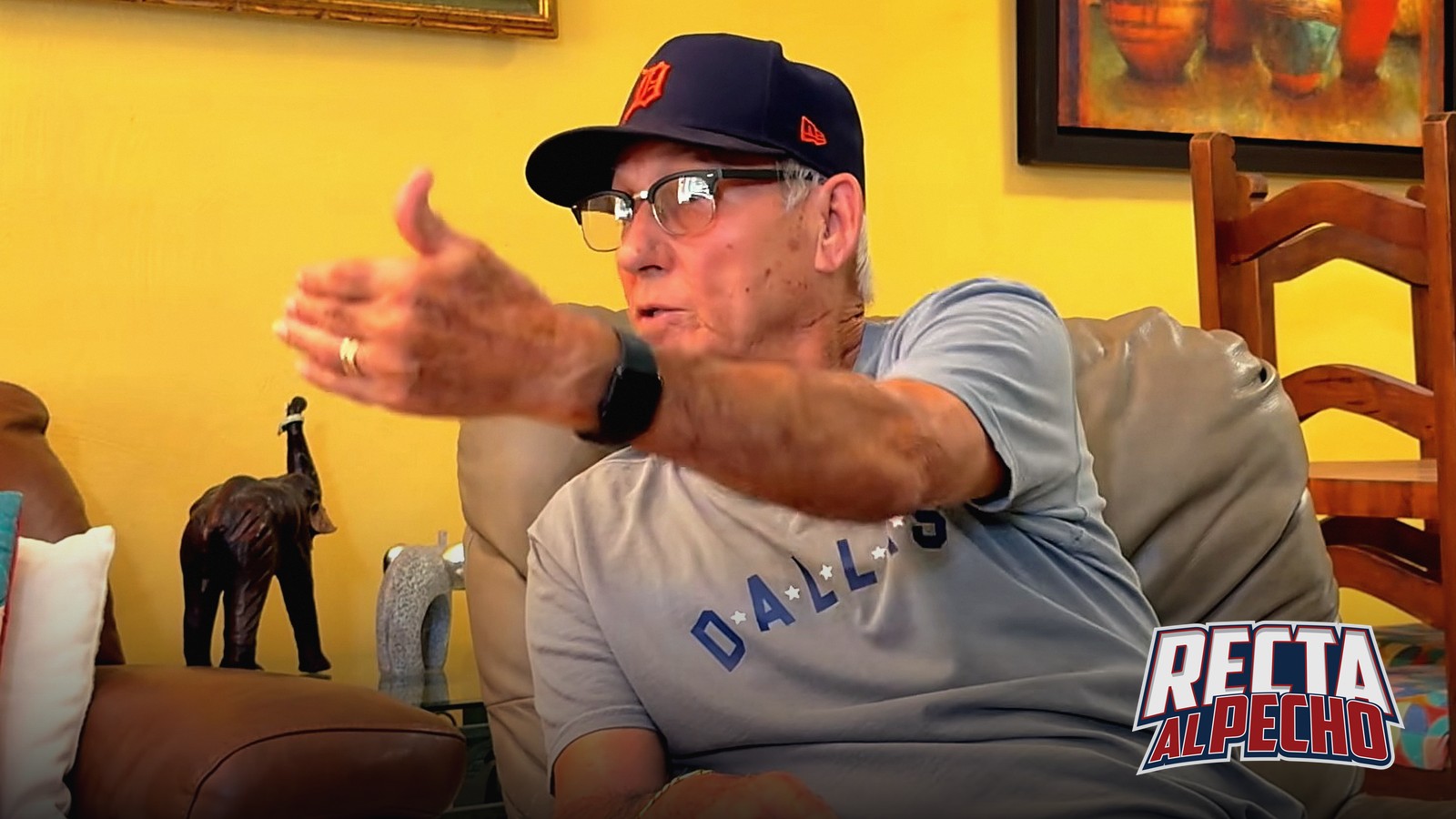
Gabriel Pierre was the third baseman of the Aplanadora Santiaguera — the Santiago “Steamroller” — the man with a big-league body built on soy picadillo. He turned down millions for his family, threw a punch at the man who blocked him from Team Cuba, and ended up being interrogated by officers — not for indiscipline, but for going with his wife to Jehovah’s Witnesses assemblies. Today he lives in Miami. I sat down with him.
Of all the reasons the Cuban system called a ballplayer into an office — indiscipline, poor performance, suspicion of defection — Gabriel Pierre’s is the one that best captures what that world was like:
They summoned him for studying the Bible.
“The State Security guy called me into an office and asked me why I was associating with them, why I was studying with them.”
“Them” were the Jehovah’s Witnesses. Pierre was still playing ball. He wasn’t baptized — that would come years later, after he retired. He simply went with his wife to the assemblies, in a suit, and studied the Scriptures.
“When they saw I was studying with the Witnesses, that clashed with the officials: that I was already into something they called counterrevolution.”
And here is the detail worth reading twice: there were agents at those religious assemblies.
“There were always State Security people going there to check, to see how things were. So they would see me…”
A country with officers planted in Bible meetings, taking note of which ballplayer was accompanying his wife. Pierre answered them with a disarming calm:
“I told them: look, as of now I’m not a Witness. I’m studying the Bible. But someday, when I am one, I’ll let you know.”
He let them know with his feet: in 2014, already retired and baptized, he left with his family. Today he lives in Miami, where we sat down to talk.
The Steamroller
Who was the man they were watching: the third baseman of the Aplanadora Santiaguera, that late-1990s Santiago de Cuba team that strung together championships with Pacheco and Kindelán and that was — he tells me this, an Industriales fan after all — the envy of Havana.
Pierre was also a specimen Cuban baseball had never seen: a big-league physique. José Ariel Contreras said it in an interview and I repeated it to his face: an animal.
I asked him what everyone wondered at some point looking at all that muscle:
—Did you ever use performance-enhancing drugs?
“Never. Never in my life.”
—So all that muscle was built on…?
“On soy picadillo.”
The real secret was in Japan, 1995. Javier Méndez, who had gone the year before, took him under his wing: he warned him that pitchers around the world had already figured out that the inside pitch owned him, and Pierre did what the great ones do — he turned his weakness into a training program.
Through the interpreter, he asked the batting-practice pitcher to throw him inside; he asked the catcher to set up inside on him. He opened his stance, rotated his hips, and went to war in the weight room.
That produced the hitter who in 1999, when Cuba switched from aluminum to wood and the dead ball had sluggers in tears, hit — as he remembers it — the first wood-bat home run of the new era.
And it produced the gem the radio called: the broken-bat home run.
“The bat broke, but the ball was gone. Cue the music on Radio Rebelde!”
Watch the full interview with Gabriel Pierre.
The bus window
Buffalo, 1993. The first time Pierre saw the other life up close, it was through a pane of glass.
“Several Cubans who already lived here came up. They drove their cars alongside the bus and told us: come with us, you’re going to make money. And there we were, behind the glass, looking… and nothing. We weren’t interested.”
“We had no idea what we were missing. Our minds were closed. There was no internet, television didn’t show you what it was like. That’s why every time we took a trip, we came back.”
Years later, at the 1998–99 exhibition series against the Orioles, the offer stopped being a shout from a car and became surgical. A scout came looking for him, by name:
“He told me: we’re not interested in anyone else here but you. You’ve shown you can play here in the big leagues. We’ve followed your record in Cuba. Come with us, you’re going to be a millionaire.”
“And I told him: no, I’m going back to my country.”
Out of ideology? I asked him directly, and his answer is one of the most honest any player of that generation has given:
“No. Because of my family. I was never political, I never liked politics. I was there because you had to be. If you had to shout ‘viva,’ you shouted ‘viva’ — but not because it came from the heart. It was fear, you have to say it that way, and nobody can tell me otherwise.”
You had to shout viva. A handful of words that explain forty years of stadiums full of slogans.
“After Linares, it’s me”
With that talent and that physique, why did Pierre make so few Team Cuba rosters? Five years, when he had the tools for ten.
His case has the math on its side:
“I’m not putting Linares down — tremendous player, world class. But back then I used to say: if it’s about performance, after Linares it’s me. No question. There’s no way they don’t take me.”
Miguel Valdés preached that the team was picked on performance. And yet third base went to others, year after year, until Pierre heard the real explanation secondhand:
“They told me he had said that as long as he was there, I wasn’t making Team Cuba.”
The built-up pressure boiled over one day in the episode all of Cuba talked about, and which he cleared up for me without hiding — it wasn’t with a bat, as the rumor had it:
“I threw a punch, I hit him in the chest. It came from those same reasons. The abuse against me had become too much, and you couldn’t do anything, because if you spoke up, you didn’t make Team Cuba. Until the dam broke.”
Even so, Pierre gives the man his due: a good coach who knows baseball.
“But knowing baseball is one thing, and putting the players who earned it on the team is another.”
Winnipeg: suspended for buying videos
If anyone still doubts how fear was managed, Pierre has the definitive story.
The 1999 Pan American Games in Winnipeg. In the athletes’ village, Cuban athletes from every sport came and went to go shopping.
All except one:
“Except baseball. Baseball couldn’t go out. What was the fear? The fear that our eyes would be opened.”
Pierre went out anyway — to buy some videos — and someone saw him and reported him.
The result: a two-game suspension.
For a Team Cuba player, in the middle of the tournament, for going shopping without State Security’s permission.
Cuba lost those two games.
And then, with a sudden-death game against the Dominican Republic looming, the phone rang at the practice field. It was Fidel Castro, taking roll player by player.
“They tell me: the Comandante wants to talk to you. ‘What’s going on, why aren’t you playing?’ I tell him: I’m waiting for them to give me the order to go out there and tear up the field.”
“The next day they tell me: Pierre, batting fifth, designated hitter.”
Read it again: State Security benched him for buying videos, and it took a phone call from the most powerful man in the country to put him back in the lineup.
That is how high up it was decided who played baseball in Cuba.
In the decisive round against the United States, Pierre repaid the trust his own way: a home run, back-to-back with Kindelán’s, to win the game.
“Let the people ask me”
At the end I asked him the hypothetical: if he were in playing shape and Cuba called him for a World Baseball Classic, would he play?
His answer separates, with surgical precision, the two Cubas that live side by side in the heart of every player in this series:
“You know who has to ask me? The people. If the people tell me ‘we want you, you earned it’ — then yes. But if an official tells me… no, thank you.”
The people, yes. The officials, no.
It is the same line that Braudilio Vinent drew without saying it and that Lázaro Valle drew from his home in Habana del Este: the love was for the people in the stands; the fear, the offices and the lists belonged to the others.
Pierre found his peace far from the two things that watched him all his life — the scouts and State Security.
He found it in his family, in his faith, and in finally being able to say exactly what he thinks, without anyone summoning him to an office.
That’s what he did here. Word for word.
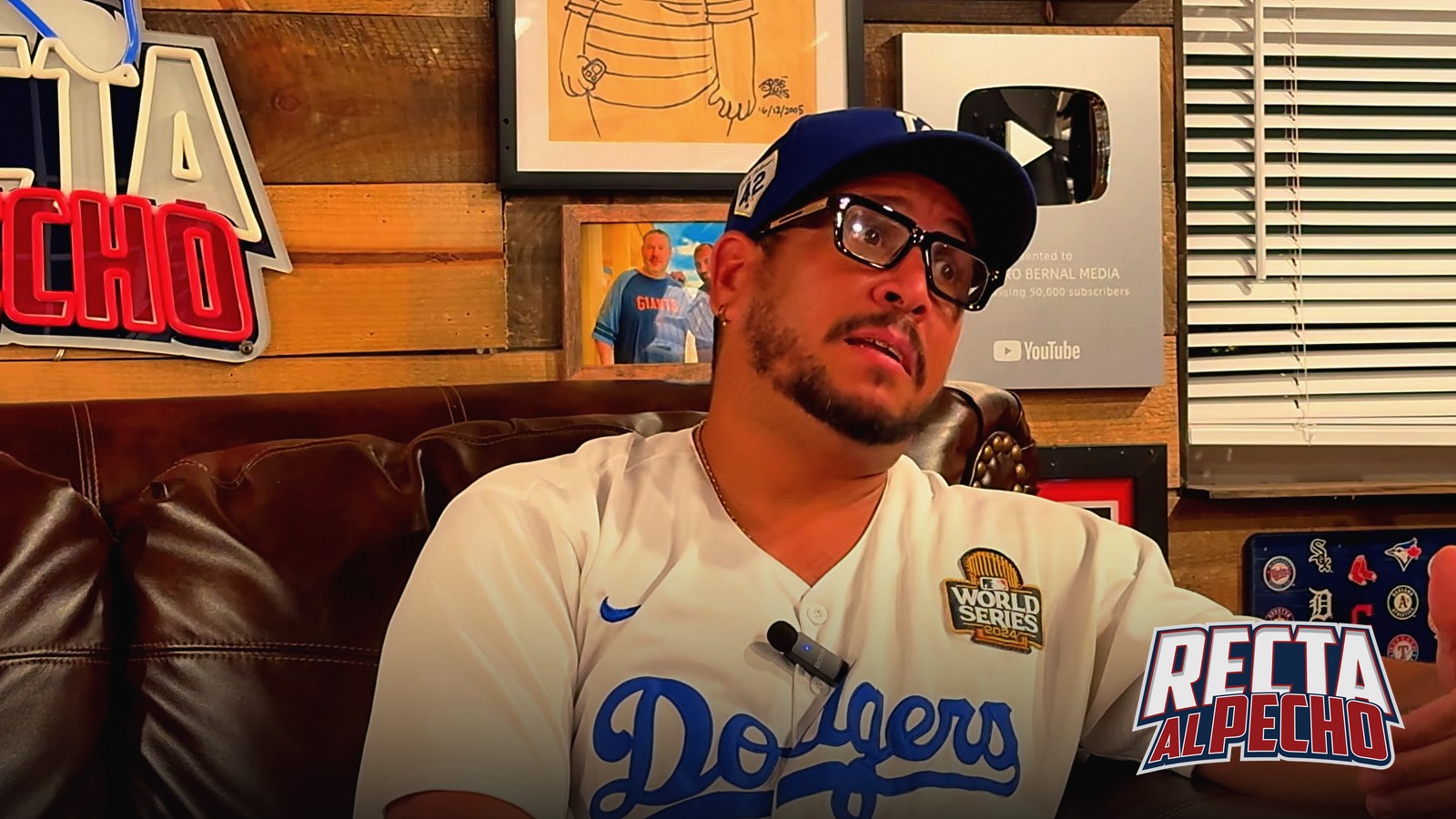
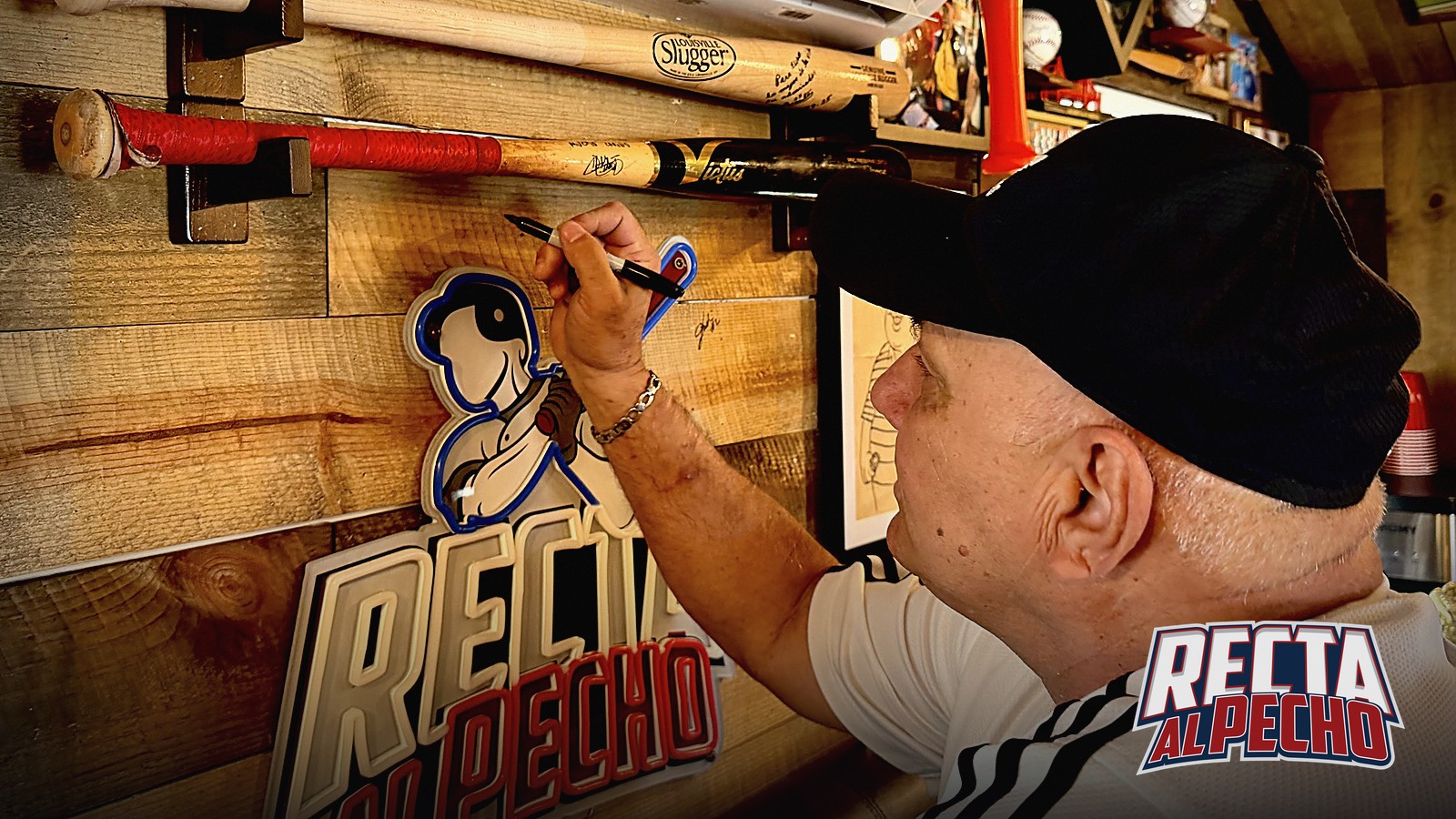
Interview conducted by Eliam Marrero Bernal for Recta Al Pecho, in Miami. Gabriel Pierre’s statements are taken verbatim from the recorded conversation, available in full on our YouTube channel.
Originally published in Spanish on Recta Al Pecho.