
Jun 9, 2026 · By Eliam Marrero Bernal
Ariel Prieto: The Leap of Faith and the Fastball of Justice
Dropped from Cuba's 1992 Olympic team without explanation, Ariel Prieto left in 1995, went straight to Oakland's rotation and started on Opening Day in 1997.
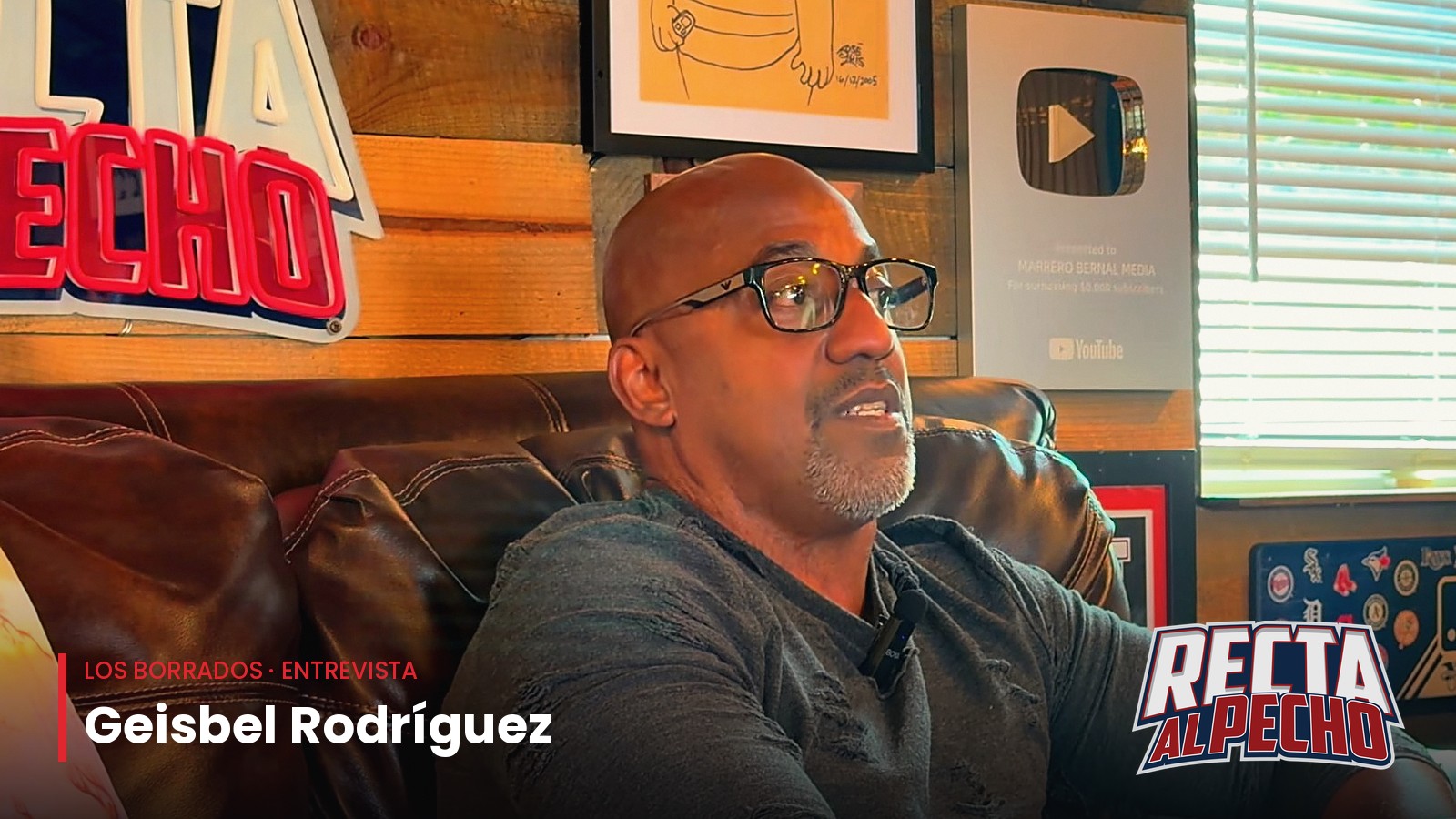
In baseball, as in life, some stories are written with the power of a fastball and others are told through the silence of opportunities denied. Ariel Prieto, the lanky pitcher who defined an era with Isla de la Juventud, is the protagonist of one of the most fascinating —and at the same time controversial— chapters of our baseball.
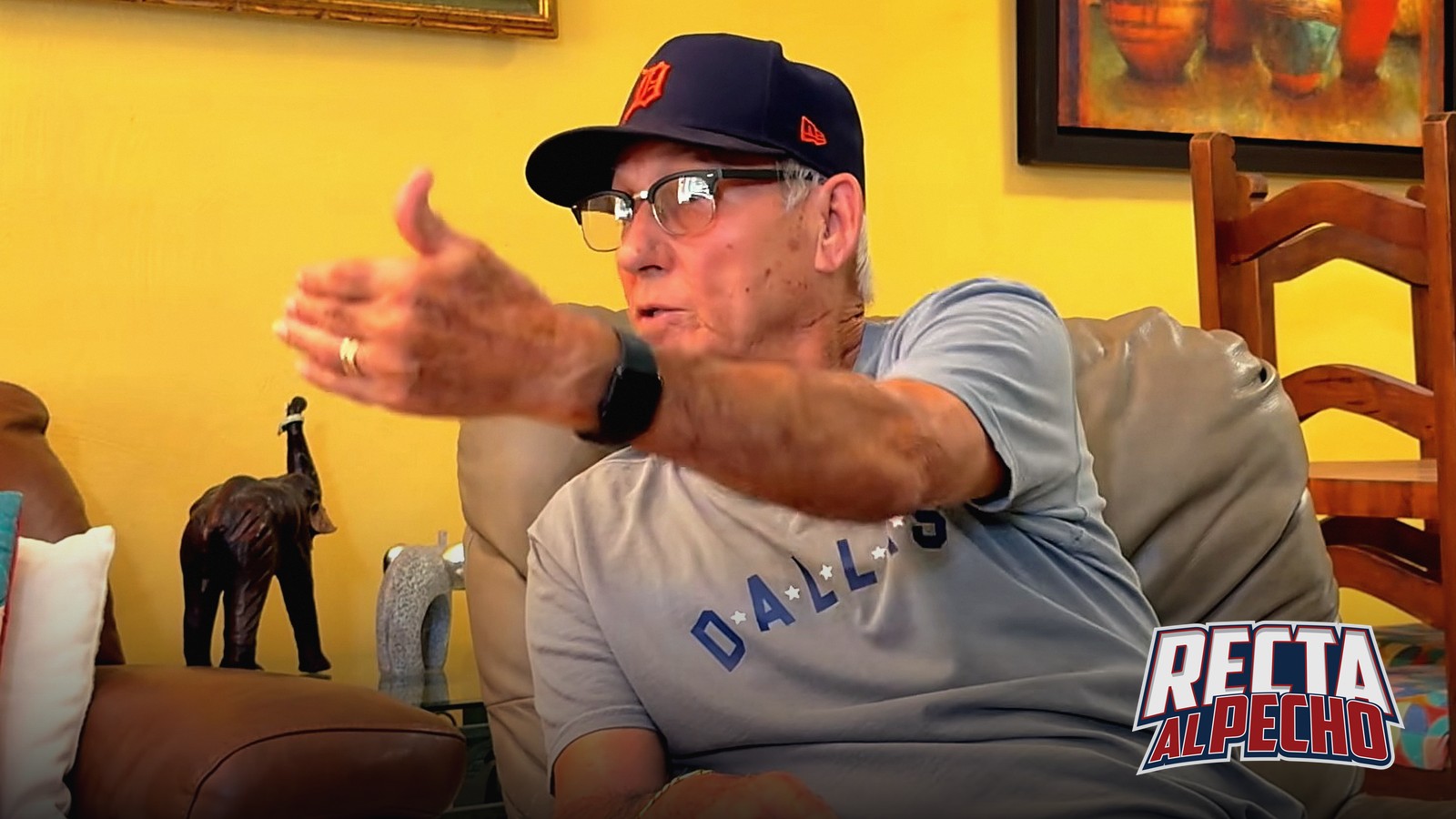
The stigma of exclusion. Despite being one of the most dominant arms in Cuba's Serie Nacional (National Series), Prieto lived under the shadow of exclusion. With a mix of resignation and peace, the pitcher recalls how he was never allowed to establish himself on the top-level national team. The most critical moment came on the eve of the 1992 Barcelona Olympics. After being told at the airport itself that he would be part of the delegation, he was dropped from the team without any clear explanation. “The decision was made, but nobody knew who made it,” he says, pointing to a system that rewarded political loyalty over athletic performance.
That roadblock was the catalyst for his departure. In 1995, having applied legally to leave years earlier, Ariel left behind the land where he was born to seek his fortune up north.
From the Island to Oakland: a nonstop leap. What makes Prieto's story unique is how fast he rose. While most prospects spend years in the minor leagues, Ariel's talent was so obvious that the Oakland Athletics didn't want to wait. After a bullpen session in front of the legendary Tony La Russa, the verdict was immediate: if he signed, he would go straight to the big club.
The promise was kept. Shortly after arriving in the United States, he was already in Oakland's rotation, reaching the milestone of starting on Opening Day in 1997, an honor reserved only for the elite.
The toll on the arm, and exile. Prieto is remembered as the first pitcher to hit 100 mph on a radar gun in Cuba. His MLB career, however, was marked by injuries. The pitcher reflects on the wear and tear he suffered on the island, where he threw as many as 180 pitches in a single game. Even though surgeries limited his durability, Prieto considers his career an absolute victory of willpower.
Perhaps the bitterest chapter was his forced exile. Even though he left legally, he faced a ban on entering Cuba that lasted 24 years, keeping him from seeing his family at critical moments. It wasn't until 2019 that he was able to return to embrace his father and walk the diamond on Isla de la Juventud once again.
Today Ariel Prieto carries himself with the serenity of someone who has overcome every obstacle. His story remains a testament to freedom and perseverance for all of us who love this sport.
Originally published in Spanish on Recta Al Pecho.